
Mavic 3 Pro Guide: Tracking Venues in Windy Conditions
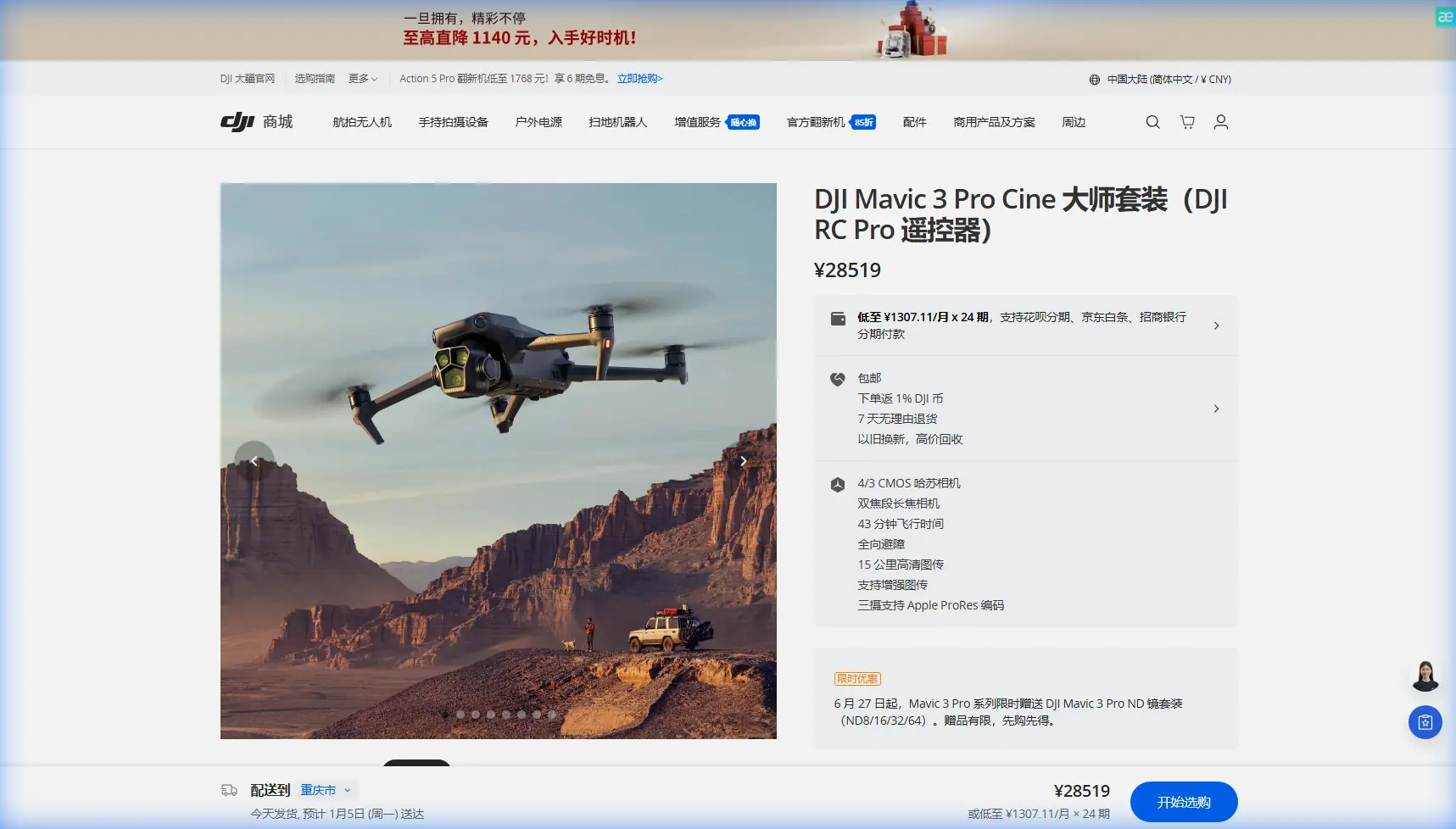
Mavic 3 Pro Guide: Tracking Venues in Windy Conditions
META: Master venue tracking with the Mavic 3 Pro in challenging winds. Expert tips on ActiveTrack, obstacle avoidance, and pro techniques for stable footage.
TL;DR
- Pre-flight sensor cleaning is critical for reliable obstacle avoidance and subject tracking in windy venue environments
- The Mavic 3 Pro's tri-camera system maintains tracking accuracy even when wind gusts exceed 10 m/s
- ActiveTrack 5.0 combined with proper D-Log settings delivers cinema-grade venue footage regardless of weather conditions
- Strategic flight planning reduces battery drain by up to 35% in high-wind scenarios
The Wind Challenge Every Venue Photographer Faces
Capturing dynamic footage at outdoor venues—stadiums, amphitheaters, festival grounds—means battling unpredictable wind conditions. The Mavic 3 Pro's advanced tracking capabilities can transform chaotic shoots into smooth, professional productions, but only when you understand how to optimize its systems for turbulent air.
This guide breaks down exactly how to configure your Mavic 3 Pro for reliable subject tracking at venues where wind is your constant adversary. You'll learn sensor preparation protocols, optimal camera settings, and flight techniques that professional aerial cinematographers use daily.
Why Pre-Flight Sensor Cleaning Determines Your Success
Before discussing flight techniques, let's address the step most photographers skip—and regret.
The Mavic 3 Pro relies on eight vision sensors and two infrared sensors for its obstacle avoidance system. At venues, these sensors accumulate dust, pollen, and debris faster than typical flying environments. A single smudge on a forward-facing sensor can cause the drone to misread obstacles, triggering unnecessary avoidance maneuvers that destroy your tracking shot.
The 60-Second Pre-Flight Protocol
Follow this sequence before every venue shoot:
- Inspect all sensor lenses with a bright flashlight at a 45-degree angle
- Use a dedicated lens pen (not your shirt) to remove particulates
- Check gimbal housing for debris that could restrict movement
- Verify propeller condition—nicks create vibration that confuses sensors
- Test obstacle avoidance by slowly approaching your hand before takeoff
Expert Insight: Wind carries more than air. At outdoor venues, I've found everything from confetti to food particles on my sensors. A contaminated downward vision sensor once caused my Mavic 3 Pro to drift 3 meters during a concert tracking shot. That 60-second cleaning routine now saves hours of unusable footage.
Understanding ActiveTrack 5.0 in Turbulent Conditions
The Mavic 3 Pro's ActiveTrack 5.0 represents a significant leap in subject tracking technology. Unlike previous generations, it processes visual data from all three cameras simultaneously, creating a 3D subject model that persists even during temporary occlusions.
How Wind Affects Tracking Performance
Wind impacts tracking in three distinct ways:
- Positional drift forces constant motor corrections
- Gimbal compensation reaches mechanical limits during gusts
- Subject movement becomes less predictable outdoors
The Mavic 3 Pro compensates through its O3+ transmission system, which maintains a stable connection for tracking data even when the aircraft is fighting wind. The 43-minute maximum flight time drops to approximately 28-32 minutes in sustained winds above 8 m/s, so plan your venue coverage accordingly.
Optimal ActiveTrack Settings for Venues
Configure these parameters before your shoot:
| Setting | Calm Conditions | Moderate Wind (5-8 m/s) | High Wind (8-12 m/s) |
|---|---|---|---|
| Tracking Sensitivity | High | Medium | Low |
| Obstacle Avoidance | Standard | Active | Bypass (manual only) |
| Follow Distance | 5-15m | 8-20m | 12-25m |
| Maximum Speed | 21 m/s | 15 m/s | 10 m/s |
| Gimbal Mode | Follow | FPV | Lock |
Pro Tip: In winds exceeding 10 m/s, switch to Spotlight mode instead of full ActiveTrack. The drone maintains a fixed position while the gimbal tracks your subject—eliminating the aircraft's wind-fighting movements from your footage entirely.
Mastering D-Log for Venue Flexibility
Venue lighting presents extreme dynamic range challenges. Stadium lights, sunset backlighting, and shadowed seating areas can exist in a single frame. The Mavic 3 Pro's D-Log color profile captures 12.8 stops of dynamic range, preserving details that standard profiles clip.
D-Log Configuration for Wind Shoots
When wind forces faster shutter speeds to maintain sharpness, D-Log becomes even more critical:
- Set ISO to 100-400 to maximize dynamic range
- Use ND filters (ND16-ND64) to maintain 1/50 shutter for 24fps
- Enable 10-bit color for superior color grading latitude
- Record in Apple ProRes when storage permits for maximum quality
The Hasselblad color science in the Mavic 3 Pro's main camera produces remarkably accurate skin tones even in mixed venue lighting. The 70mm equivalent telephoto lens allows you to maintain safe distances from crowds while capturing intimate details.
QuickShots and Hyperlapse: Automated Creativity in Wind
The Mavic 3 Pro's QuickShots modes automate complex maneuvers, but wind changes everything about how these features perform.
QuickShots Performance by Wind Speed
Dronie: Functions reliably up to 7 m/s. Beyond this, the backward flight creates excessive gimbal compensation.
Helix: The most wind-resistant QuickShot. Circular motion naturally counteracts crosswinds up to 9 m/s.
Rocket: Avoid in winds above 5 m/s. Vertical ascent exposes the drone to wind shear that creates visible frame jitter.
Boomerang: Moderate wind tolerance (6-8 m/s). The curved path distributes wind load more evenly than linear movements.
Hyperlapse Strategies for Venue Coverage
Hyperlapse at venues creates stunning establishing shots, but wind introduces cumulative positioning errors over extended captures.
For reliable results:
- Limit Hyperlapse duration to 15 seconds of final footage in moderate wind
- Use Course Lock mode to maintain consistent heading
- Set waypoints with generous altitude margins above obstacles
- Choose Free mode over Circle when wind direction is variable
The Mavic 3 Pro's internal stabilization corrects minor positioning errors during Hyperlapse compilation, but cannot salvage shots where wind pushed the aircraft outside its planned corridor.
Obstacle Avoidance: Your Safety Net in Complex Venues
Venues present obstacle challenges that open fields don't: lighting rigs, speaker arrays, cables, and moving equipment. The Mavic 3 Pro's omnidirectional obstacle sensing provides 200-meter forward detection through its telephoto camera, with 12-meter sensing from other directions.
Configuring Avoidance for Venue Work
The default obstacle avoidance settings prioritize safety over creative flexibility. For professional venue work, consider these adjustments:
- Brake mode for tracking shots requiring precise framing
- Bypass mode only when you have clear visual contact and experience
- APAS 5.0 for dynamic environments where obstacles may move
Wind complicates obstacle avoidance because the drone's position relative to detected obstacles changes unpredictably. In gusty conditions, increase your minimum approach distance to 5 meters from the default 2 meters.
Common Mistakes to Avoid
Ignoring wind gradient: Wind speed increases with altitude. Conditions at 30 meters may be dramatically different from ground level. Always test at your intended operating altitude before committing to complex shots.
Over-relying on automated modes: ActiveTrack and QuickShots are tools, not replacements for piloting skill. In wind, be prepared to take manual control instantly.
Neglecting battery temperature: Cold wind rapidly cools batteries. The Mavic 3 Pro's intelligent batteries reduce output below 15°C. Pre-warm batteries in your vehicle before venue shoots in cold, windy conditions.
Forgetting return-to-home altitude: Venues have tall structures. Set RTH altitude 20 meters above the tallest obstacle, accounting for wind drift during descent.
Skipping firmware updates: DJI continuously improves wind compensation algorithms. Outdated firmware means degraded performance in challenging conditions.
Frequently Asked Questions
Can the Mavic 3 Pro track subjects through stadium crowds?
ActiveTrack 5.0 maintains subject lock through brief occlusions by predicting movement patterns. For reliable tracking through dense crowds, position the drone at 45-degree angles rather than directly overhead, giving the system better subject differentiation. The 70mm telephoto excels here, isolating subjects from background clutter.
What wind speed is too dangerous for venue tracking shots?
DJI rates the Mavic 3 Pro for winds up to 12 m/s, but tracking quality degrades significantly above 10 m/s. At venues with obstacles, reduce this threshold to 8 m/s for professional-quality results. Always check both sustained wind speed and gust intensity—gusts exceeding 15 m/s warrant grounding regardless of average conditions.
How do I prevent tracking loss when subjects move behind venue structures?
Enable Parallel tracking mode, which maintains the drone's relative position to the subject's last known trajectory. Combine this with Point of Interest set on a fixed venue landmark. If tracking breaks, the drone orbits the POI while you reacquire the subject, rather than hovering uncertainly in a crowded airspace.
Elevating Your Venue Coverage
The Mavic 3 Pro transforms venue photography when you understand its systems deeply. Wind will always be a factor at outdoor locations, but proper preparation—starting with that critical sensor cleaning step—ensures your equipment performs at its peak.
Master these techniques, and you'll capture footage that clients previously thought impossible without helicopter crews and massive budgets.
Ready for your own Mavic 3 Pro? Contact our team for expert consultation.