
Mavic 3 Pro Guide: Tracking Mountain Highways
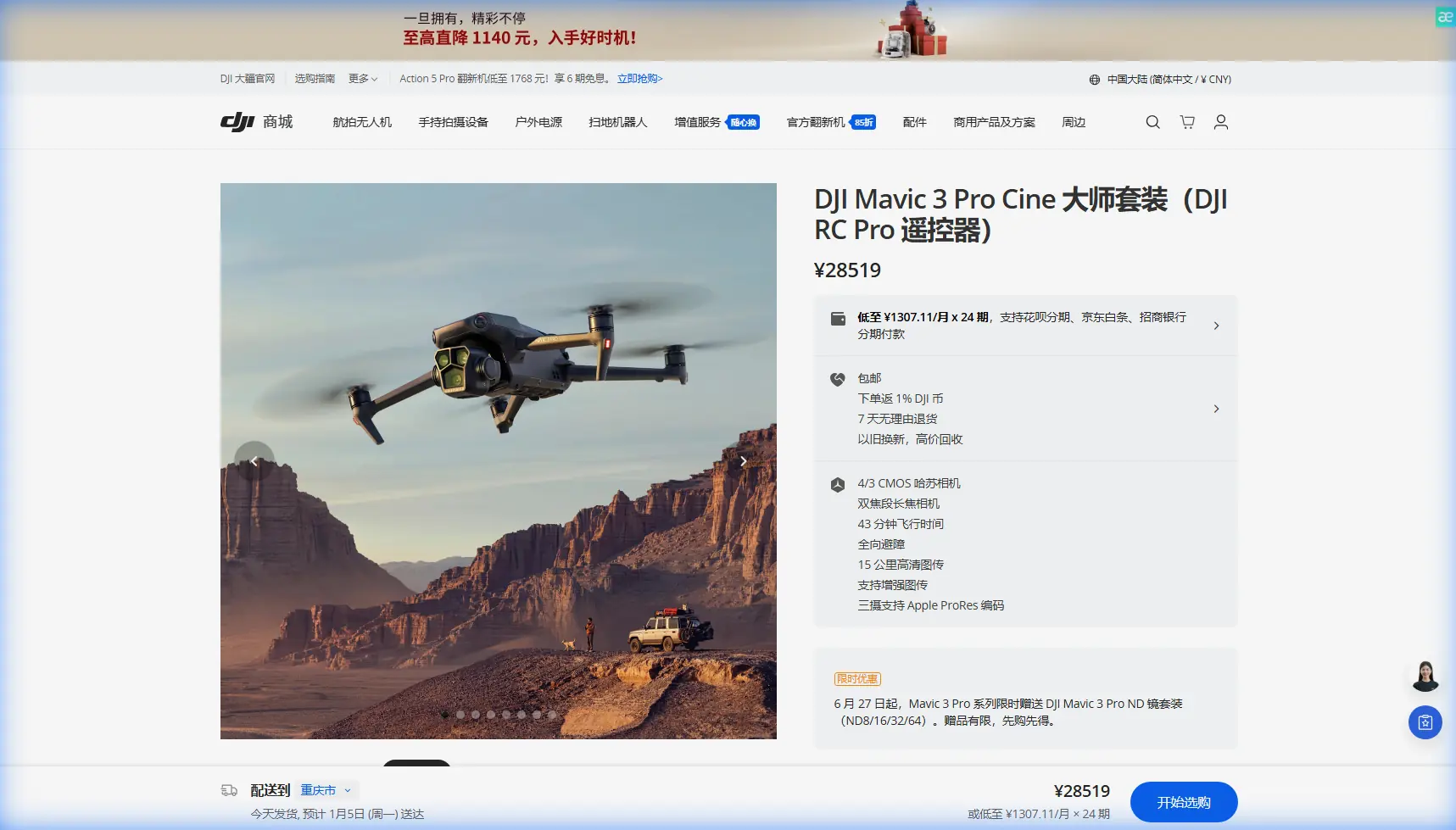
Mavic 3 Pro Guide: Tracking Mountain Highways
META: Master mountain highway tracking with the Mavic 3 Pro. Learn optimal altitudes, camera settings, and ActiveTrack techniques for stunning aerial footage.
TL;DR
- Optimal flight altitude of 80-120 meters provides the best balance between highway visibility and terrain clearance in mountainous regions
- The Mavic 3 Pro's tri-camera system allows seamless transitions between wide establishing shots and detailed vehicle tracking
- ActiveTrack 5.0 combined with omnidirectional obstacle avoidance makes mountain highway tracking safer than ever
- D-Log color profile captures 13+ stops of dynamic range, essential for high-contrast mountain lighting conditions
Why Mountain Highway Tracking Demands Professional Equipment
Capturing compelling footage of highways winding through mountain terrain presents unique challenges that separate amateur attempts from professional results. The Mavic 3 Pro addresses these challenges with a sensor suite and intelligent flight systems specifically designed for dynamic tracking scenarios.
Mountain highways create constantly shifting compositions. Vehicles move through tunnels, around hairpin turns, and across elevation changes that can span hundreds of meters within a single shot. Your drone needs to maintain consistent framing while navigating unpredictable terrain and variable lighting conditions.
The Mavic 3 Pro's 4/3 CMOS Hasselblad sensor paired with its 70mm and 166mm telephoto lenses gives you creative flexibility that single-camera drones simply cannot match. This matters when you're tracking a subject that might be fully lit one moment and shadowed by a cliff face the next.
Understanding the Mavic 3 Pro's Tracking Capabilities
ActiveTrack 5.0: The Foundation of Intelligent Pursuit
ActiveTrack 5.0 represents DJI's most sophisticated subject-following technology. The system uses machine learning algorithms trained on millions of tracking scenarios to predict subject movement and maintain lock even through brief occlusions.
For highway tracking, this means your drone can:
- Maintain focus on a specific vehicle through tunnel entrances and exits
- Predict trajectory around blind curves before the vehicle completes the turn
- Automatically adjust speed to match varying vehicle velocities
- Re-acquire subjects after temporary signal interruptions
Expert Insight: When tracking vehicles on mountain highways, set your ActiveTrack sensitivity to "High" rather than the default medium setting. Mountain roads create frequent micro-occlusions from trees, rock outcroppings, and terrain shadows. Higher sensitivity allows faster re-acquisition without losing your shot.
Obstacle Avoidance in Complex Terrain
The Mavic 3 Pro features omnidirectional obstacle sensing using a combination of wide-angle vision sensors and time-of-flight sensors. This creates a protective bubble around your aircraft that's essential when flying near cliff faces, tree lines, and variable terrain.
The system detects obstacles up to 200 meters ahead in optimal conditions, giving you approximately 15-20 seconds of warning at typical tracking speeds. In mountainous environments with reduced visibility, expect this range to decrease to 50-80 meters—still sufficient for safe operation when combined with proper altitude management.
Key obstacle avoidance features for mountain tracking:
- APAS 5.0 (Advanced Pilot Assistance System) enables automatic path planning around detected obstacles
- Brake mode brings the aircraft to an immediate hover when obstacles are detected within minimum safe distance
- Bypass mode allows the drone to navigate around obstacles while maintaining subject tracking
- Downward sensors prevent terrain collision during rapid descent maneuvers
Optimal Flight Altitudes for Mountain Highway Tracking
Pro Tip: The sweet spot for mountain highway tracking sits between 80-120 meters AGL (Above Ground Level). This altitude provides sufficient clearance over most roadside obstacles while keeping vehicles large enough in frame for effective ActiveTrack lock. Below 80 meters, you'll constantly fight terrain variations. Above 120 meters, vehicles become too small for reliable tracking without telephoto zoom.
Altitude Strategy by Shot Type
| Shot Type | Recommended Altitude | Primary Lens | Notes |
|---|---|---|---|
| Wide Establishing | 150-200m | 24mm (Hasselblad) | Captures full highway context |
| Standard Tracking | 80-120m | 24mm or 70mm | Optimal for ActiveTrack |
| Close Pursuit | 40-60m | 70mm | Requires manual piloting |
| Detail Shots | 30-50m | 166mm | Vehicle details, road texture |
| Hyperlapse | 100-150m | 24mm | Stable platform essential |
Terrain-Relative Altitude Management
Mountain highways present a unique challenge: the road itself may climb or descend hundreds of meters over a short distance. The Mavic 3 Pro's terrain follow mode helps maintain consistent AGL altitude, but it has limitations in rapidly changing terrain.
For best results, divide your tracking route into segments based on elevation changes. Pre-plan altitude adjustments at major grade transitions rather than relying entirely on automatic terrain following. The drone's maximum climb rate of 8 m/s may not keep pace with steep highway grades when tracking fast-moving vehicles.
Camera Settings for Mountain Highway Footage
The Case for D-Log
Mountain environments create extreme dynamic range challenges. Sunlit pavement can be 10+ stops brighter than shadowed cliff faces within the same frame. D-Log color profile captures this full range, giving you flexibility in post-production to recover highlights and lift shadows.
Recommended D-Log settings for mountain tracking:
- ISO 100-400 (native ISO range for cleanest footage)
- Shutter speed: Double your frame rate (1/50 for 24fps, 1/60 for 30fps)
- ND filters: Essential (ND16-ND64 depending on conditions)
- White balance: Manual at 5600K (adjust in post)
- Color profile: D-Log or HLG for maximum flexibility
Frame Rate Selection
Your frame rate choice depends on intended output and desired motion characteristics:
- 24fps: Cinematic motion blur, ideal for narrative content
- 30fps: Standard broadcast, good balance of smoothness and file size
- 60fps: Allows 50% slow motion in 30fps timeline, captures fast vehicle movement
- 120fps (1080p only): Dramatic slow motion for specific moments
For most mountain highway tracking, shooting 60fps and delivering at 30fps provides the best flexibility. You can play footage at normal speed or create smooth slow-motion segments without planning in advance.
QuickShots and Hyperlapse for Highway Content
Automated Flight Paths
QuickShots provide pre-programmed flight patterns that work surprisingly well for highway content when used strategically:
- Dronie: Pulls back and up from a stationary vehicle—effective for establishing shots at scenic overlooks
- Circle: Orbits around a parked vehicle with mountain backdrop
- Helix: Ascending spiral creates dramatic reveals of winding roads below
- Rocket: Straight vertical ascent reveals highway context
Hyperlapse Techniques
Mountain highway Hyperlapse footage creates mesmerizing content showing traffic flow through dramatic terrain. The Mavic 3 Pro supports four Hyperlapse modes:
- Free: Manual flight path with automatic photo capture
- Circle: Automated orbit around a point of interest
- Course Lock: Maintains heading while you control position
- Waypoint: Pre-programmed multi-point flight path
Expert Insight: For highway Hyperlapse, use Waypoint mode with points set at 200-300 meter intervals along the road's path. Set capture interval to 2 seconds and fly at 15-20 km/h. This creates smooth time-compressed footage showing traffic patterns over extended distances. A 10-minute flight produces approximately 300 frames—enough for a 12-second clip at 24fps.
Common Mistakes to Avoid
Flying too low in variable terrain: New pilots often set altitude based on their launch point, forgetting that mountain highways may rise significantly along the route. Always scout your tracking path and note maximum terrain elevation.
Ignoring wind patterns: Mountain terrain creates unpredictable wind acceleration through valleys and around peaks. The Mavic 3 Pro handles winds up to 12 m/s, but gusts in mountain passes can exceed this. Monitor wind warnings and maintain sufficient battery reserve for fighting headwinds on return.
Over-relying on ActiveTrack in tunnels: While ActiveTrack 5.0 can re-acquire subjects after brief occlusions, extended tunnel passages will cause tracking loss. Pre-plan manual takeover points for tunnels longer than 100 meters.
Neglecting ND filters: The temptation to shoot without filters for maximum sharpness results in unusable footage with strobing motion artifacts. Proper motion blur requires appropriate shutter speed, which requires ND filtration in daylight conditions.
Single battery missions: Mountain tracking missions drain batteries faster than flat-terrain flying due to constant altitude adjustments and wind compensation. Plan for maximum 25 minutes of actual tracking time per battery, regardless of the rated 43-minute flight time.
Frequently Asked Questions
What is the maximum tracking speed for vehicles on mountain highways?
The Mavic 3 Pro can track subjects moving up to 75 km/h in Sport mode while maintaining ActiveTrack lock. For mountain highways where vehicles typically travel 60-80 km/h, this provides adequate capability for most scenarios. Faster vehicles require manual piloting with ActiveTrack assist rather than full autonomous tracking.
How do I maintain signal connection in mountainous terrain?
The O3+ transmission system provides reliable connection up to 15 km in unobstructed conditions, but mountain terrain can reduce this dramatically. Position yourself with line-of-sight to your aircraft whenever possible. For tracking shots that take the drone behind ridgelines, use the Return to Home function as a safety backup and consider positioning a second operator with a controller at an elevated vantage point.
Can I legally fly over highways for tracking shots?
Regulations vary by jurisdiction, but most countries permit drone flight over highways provided you maintain safe altitude, don't interfere with traffic, and comply with airspace restrictions. In the United States, FAA Part 107 allows flight over moving vehicles if the drone remains in sustained flight and doesn't hover directly over people. Always check local regulations and obtain necessary permits for commercial shoots.
Ready for your own Mavic 3 Pro? Contact our team for expert consultation.