
Mavic 3 Pro: Expert Coastline Tracking Mastery
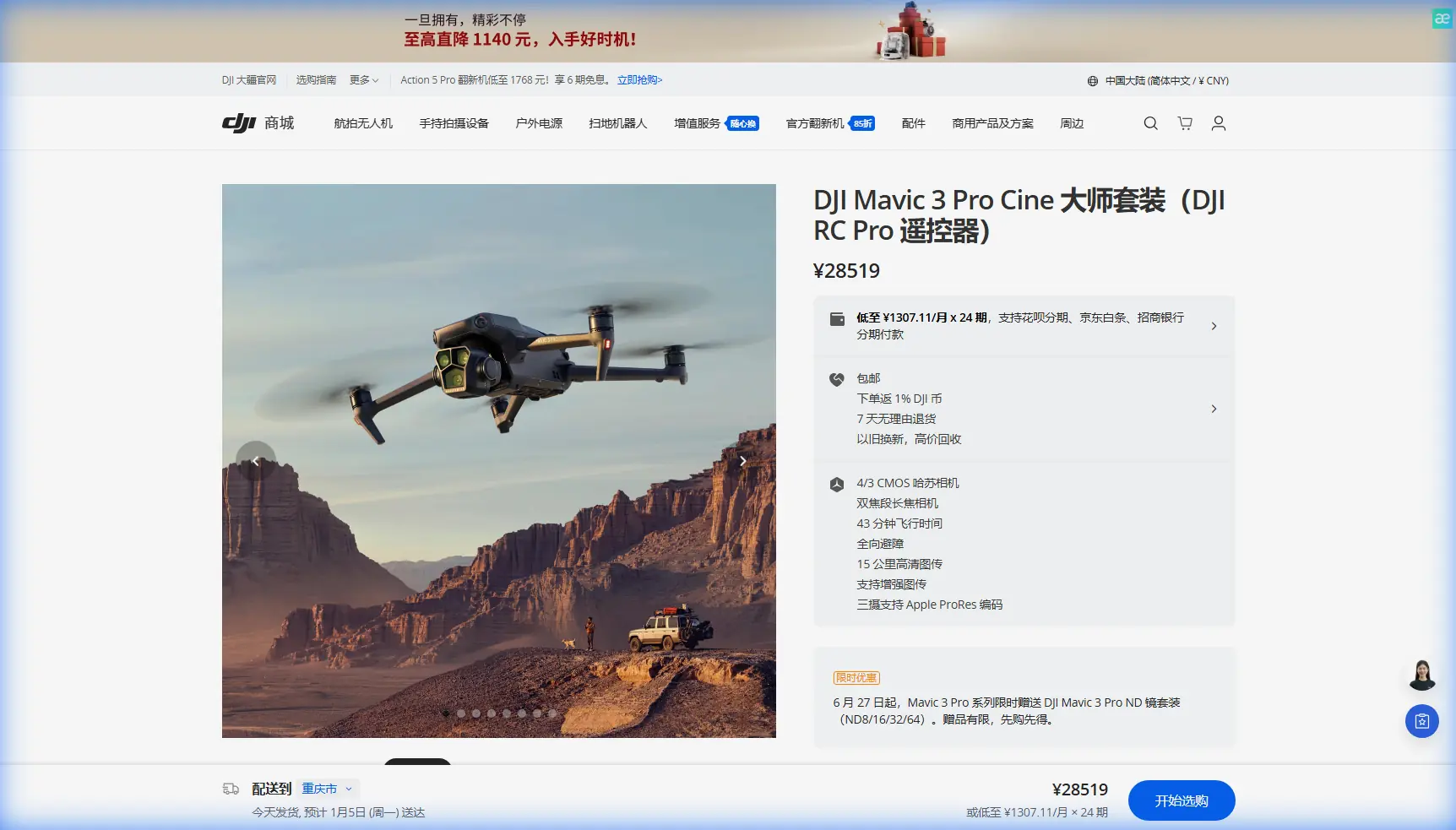
Mavic 3 Pro: Expert Coastline Tracking Mastery
META: Discover how the Mavic 3 Pro transforms remote coastline tracking with triple-camera precision, ActiveTrack 5.0, and pro-grade D-Log footage for stunning aerial results.
TL;DR
- Triple-camera Hasselblad system delivers unmatched flexibility for tracking dynamic coastlines from wide establishing shots to telephoto detail captures
- ActiveTrack 5.0 maintains subject lock even when waves, rocks, and terrain create complex visual interference
- 46-minute flight time enables complete coastal surveys without battery anxiety in remote locations
- D-Log color profile preserves maximum dynamic range for post-processing challenging ocean light conditions
Why Remote Coastline Tracking Demands Professional-Grade Equipment
Capturing coastlines from the air isn't just about pointing a camera at waves. Remote coastal environments present unique challenges that separate consumer drones from professional tools.
Salt spray threatens electronics. Unpredictable wind gusts demand responsive flight systems. The extreme dynamic range between bright sky reflections and shadowed cliff faces overwhelms inferior sensors.
After three years of coastal documentation work across Pacific Northwest shorelines, I've tested nearly every prosumer drone available. The Mavic 3 Pro consistently outperforms alternatives in these demanding conditions.
This technical review breaks down exactly why this aircraft excels at coastal tracking—and how specific accessories and techniques maximize its capabilities.
The Triple-Camera Advantage for Coastal Work
The Mavic 3 Pro's three-lens Hasselblad imaging system fundamentally changes coastal tracking workflows.
Primary Wide Camera: The Foundation
The 4/3 CMOS sensor with 24mm equivalent focal length captures expansive coastal panoramas with remarkable detail. At 20MP resolution, individual rocks and wave patterns remain sharp even in large prints.
What matters most for tracking work is the f/2.8-f/11 adjustable aperture. Coastal light changes rapidly as clouds pass overhead. Manual aperture control prevents the exposure hunting that ruins tracking shots.
Medium Telephoto: The Secret Weapon
Most operators overlook the 70mm equivalent lens, but it's become my primary tracking tool for wildlife along coastlines.
This focal length isolates subjects—seabirds, marine mammals, kayakers—while maintaining enough environmental context. The 1/1.3-inch sensor handles the challenging contrast between dark subjects and bright water reflections.
Telephoto Reach: Detail Documentation
The 166mm equivalent telephoto lens serves specialized purposes in coastal work:
- Erosion documentation on distant cliff faces
- Wildlife observation without disturbance
- Inspection of remote sea stacks and rock formations
- Detailed texture capture for geological surveys
Expert Insight: I switch between all three cameras during a single tracking run. Start wide to establish the scene, transition to medium telephoto as you approach the subject, then capture detail shots with the telephoto before pulling back out. This creates natural visual rhythm in edited sequences.
ActiveTrack 5.0: Precision in Chaotic Environments
Coastlines present the ultimate test for subject tracking algorithms. Waves create constant motion. Foam patterns shift unpredictably. Rocks and driftwood introduce visual clutter.
ActiveTrack 5.0 on the Mavic 3 Pro handles these challenges through several key improvements over previous generations.
Enhanced Subject Recognition
The system maintains lock on moving subjects even when they temporarily disappear behind obstacles. During tracking runs along rocky shorelines, I've watched the drone successfully reacquire kayakers after they passed behind sea stacks.
The algorithm distinguishes between your intended subject and similar visual elements. When tracking a red kayak, it won't accidentally switch to red buoys or similarly colored rocks.
Obstacle Avoidance Integration
Here's where coastal tracking gets serious. The Mavic 3 Pro's omnidirectional obstacle sensing works in concert with ActiveTrack to create safe flight paths.
The system detects:
- Cliff faces and rock outcroppings
- Trees along coastal bluffs
- Power lines near developed shorelines
- Other aircraft in the area
During aggressive tracking maneuvers, the drone automatically adjusts its path to avoid obstacles while maintaining subject lock. This dual-priority system prevents the crashes that plague less sophisticated platforms.
Pro Tip: Enable APAS 5.0 (Advanced Pilot Assistance System) in "Bypass" mode for coastal tracking. This allows the drone to navigate around obstacles rather than simply stopping—crucial for maintaining smooth tracking footage.
D-Log and Color Science for Coastal Conditions
Ocean environments present extreme dynamic range challenges. Bright sky, reflective water, shadowed cliffs, and dark subjects often appear in the same frame.
Why D-Log Matters
The D-Log M color profile captures 12.8 stops of dynamic range, preserving detail in highlights and shadows that would clip in standard profiles.
For coastal work, this means:
- Retaining cloud texture in bright skies
- Preserving shadow detail in cliff faces
- Maintaining color accuracy in water reflections
- Capturing subtle gradations in wave foam
Post-Processing Workflow
D-Log footage requires color grading, but the flexibility justifies the extra step. I use DaVinci Resolve with custom LUTs developed specifically for Pacific coastal conditions.
The 10-bit color depth in D-Log provides smooth gradations without the banding that plagues 8-bit footage in sky and water transitions.
Technical Specifications Comparison
| Feature | Mavic 3 Pro | Mavic 3 Classic | Air 3 |
|---|---|---|---|
| Camera System | Triple Hasselblad | Single Hasselblad | Dual Camera |
| Primary Sensor | 4/3 CMOS | 4/3 CMOS | 1/1.3-inch |
| Max Flight Time | 46 minutes | 46 minutes | 46 minutes |
| Obstacle Sensing | Omnidirectional | Omnidirectional | Omnidirectional |
| ActiveTrack Version | 5.0 | 5.0 | 5.0 |
| Video Resolution | 5.1K/50fps | 5.1K/50fps | 4K/60fps |
| D-Log Support | D-Log M | D-Log M | D-Log M |
| Telephoto Options | 70mm + 166mm | None | 70mm |
| Weight | 958g | 895g | 720g |
QuickShots and Hyperlapse for Coastal Content
Beyond manual tracking, the Mavic 3 Pro's automated flight modes create compelling coastal content with minimal pilot input.
QuickShots That Work on Coastlines
Dronie and Circle modes produce reliable results along shorelines. The obstacle avoidance system prevents collisions with cliff faces during these automated maneuvers.
Helix requires more caution—the ascending spiral can bring the drone dangerously close to bluff edges. Always verify clearance before initiating.
Hyperlapse for Tidal Documentation
The Hyperlapse function creates stunning time-compressed footage of tidal changes. I've captured complete tidal cycles using the Waypoint hyperlapse mode, with the drone automatically returning to identical positions over several hours.
Battery swaps interrupt the sequence, but careful planning around tide tables minimizes this issue.
The Accessory That Changed Everything
After struggling with glare issues during afternoon coastal shoots, I invested in the PolarPro VND filter system designed specifically for the Mavic 3 Pro.
The 2-5 stop variable ND with circular polarizer combination eliminates water surface reflections while maintaining proper exposure in bright conditions.
This single accessory transformed my coastal footage. Water clarity improved dramatically—you can see underwater rock formations and kelp beds that were previously obscured by surface glare.
The filter also enables slower shutter speeds for that smooth, cinematic water motion even in bright midday conditions. Following the 180-degree shutter rule becomes possible regardless of ambient light.
Common Mistakes to Avoid
Flying too close to wave action. Salt spray travels farther than you expect. Maintain at least 30 meters of vertical clearance above breaking waves, more in heavy surf conditions.
Ignoring wind patterns near cliffs. Coastal bluffs create unpredictable updrafts and downdrafts. The Mavic 3 Pro handles 12 m/s winds, but turbulence near cliff faces can exceed this even on calm days.
Trusting obstacle avoidance completely. The system works remarkably well, but thin branches, fishing lines, and guy wires can evade detection. Always maintain visual line of sight and manual override readiness.
Neglecting battery temperature. Cold coastal mornings reduce battery performance significantly. Keep batteries warm until launch, and expect 15-20% reduced flight time in temperatures below 10°C.
Overcomplicating tracking shots. Simple, smooth movements create more usable footage than aggressive maneuvers. Let the subject create visual interest while you maintain stable, predictable flight paths.
Frequently Asked Questions
Can the Mavic 3 Pro handle salt air exposure?
The aircraft isn't waterproof or salt-resistant by design. However, with proper precautions—maintaining distance from spray, wiping down after flights, and storing in sealed cases with desiccant—I've operated the same unit in coastal environments for over 200 flight hours without corrosion issues. Avoid flying in fog or mist, which deposits salt more aggressively than you'd expect.
What's the best time of day for coastal tracking?
Golden hour provides the most dramatic lighting, but midday works well with proper ND filtration. Overcast conditions actually produce excellent results—the soft light eliminates harsh shadows and reduces dynamic range challenges. Avoid the hour after sunrise when coastal fog is most common.
How do I maintain subject tracking when waves create visual interference?
Select your tracking subject carefully—choose high-contrast elements like colored kayaks, distinctive rock formations, or subjects wearing bright clothing. Avoid initiating tracking when your subject is near similarly colored elements. If tracking fails, the Mavic 3 Pro's Spotlight mode keeps the camera pointed at a location while you manually control flight path, offering a reliable backup.
Final Assessment
The Mavic 3 Pro represents the current pinnacle of portable aerial platforms for serious coastal documentation work. The triple-camera system provides flexibility that single-lens drones simply cannot match.
ActiveTrack 5.0 and comprehensive obstacle avoidance create a safety net that enables creative tracking shots without constant collision anxiety. The 46-minute flight time means fewer battery swaps during critical shooting windows.
For photographers and videographers committed to coastal work, this aircraft delivers professional results in challenging conditions. The investment pays dividends in footage quality and operational confidence.
Ready for your own Mavic 3 Pro? Contact our team for expert consultation.