
Mavic 3 Pro Vineyard Scouting: High Altitude Guide
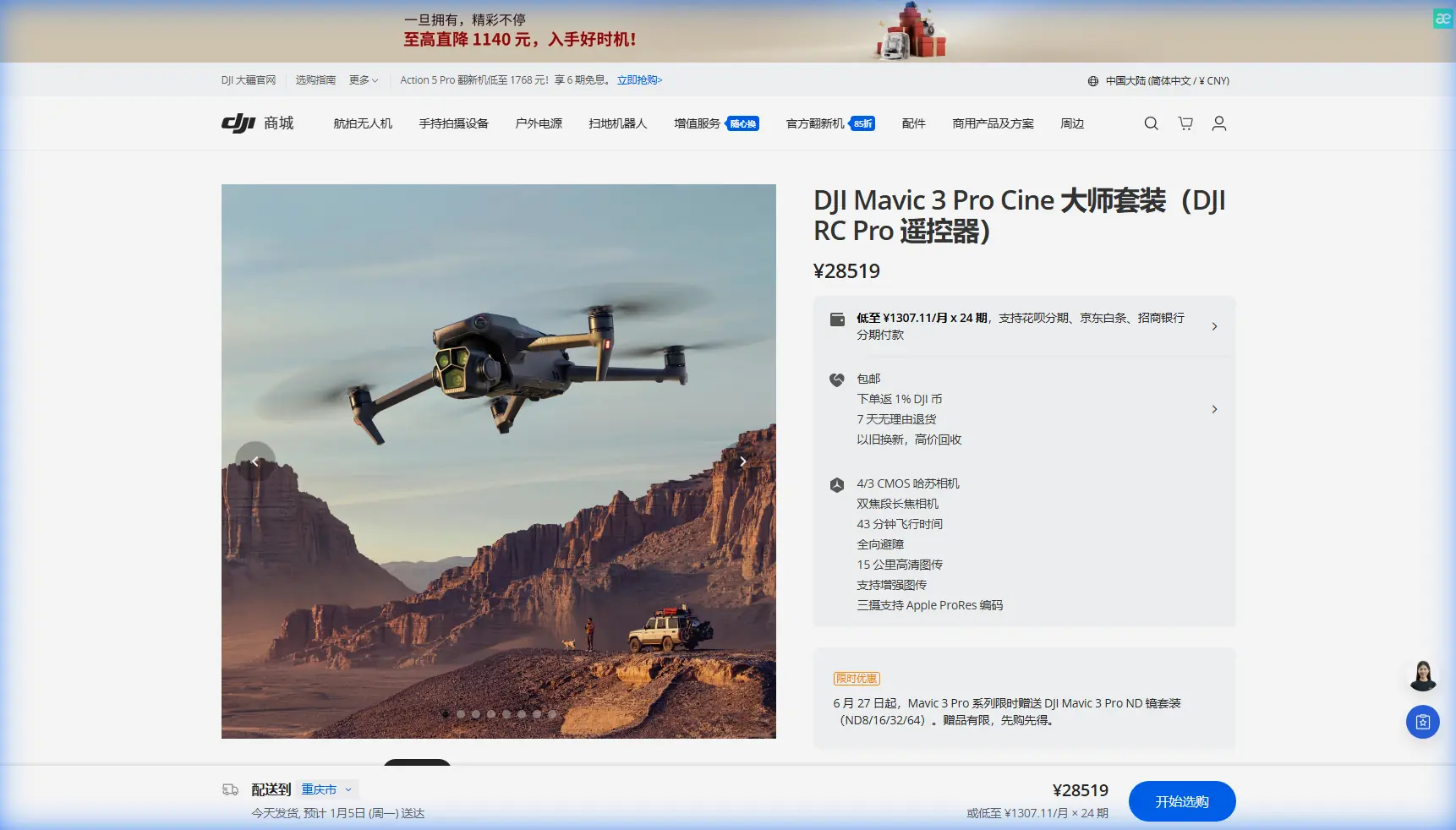
Mavic 3 Pro Vineyard Scouting: High Altitude Guide
META: Master high-altitude vineyard scouting with the Mavic 3 Pro. Expert tips on flight settings, camera modes, and terrain navigation for stunning aerial footage.
TL;DR
- Optimal flight altitude for vineyard scouting ranges from 30-120 meters depending on terrain analysis needs and local regulations
- The Mavic 3 Pro's triple-camera system captures macro vine details and wide landscape context in a single flight
- D-Log color profile preserves shadow detail critical for identifying irrigation issues and vine health variations
- High-altitude operations require specific battery management strategies to maintain 35+ minutes of effective flight time
Why Vineyard Professionals Choose Aerial Scouting
Traditional vineyard assessment requires hours of walking between rows, often missing critical patterns only visible from above. The Mavic 3 Pro transforms this process with its Hasselblad triple-camera system, delivering professional-grade imagery that reveals vine stress, drainage problems, and growth inconsistencies across entire properties in minutes.
For photographers and agricultural consultants working in elevated wine regions—think Napa Valley hillsides, Argentine Mendoza slopes, or Swiss alpine vineyards—altitude introduces unique challenges. Thinner air affects flight dynamics, temperature swings impact battery performance, and complex terrain demands sophisticated obstacle avoidance capabilities.
This guide walks you through optimizing every aspect of high-altitude vineyard flights, from pre-flight planning to post-processing workflows.
Understanding High-Altitude Flight Dynamics
How Elevation Affects Drone Performance
The Mavic 3 Pro operates reliably at elevations up to 6,000 meters above sea level, but performance characteristics shift noticeably above 1,500 meters. Reduced air density means propellers generate less lift per revolution, requiring motors to work harder and consume battery power faster.
At 2,000 meters elevation, expect approximately 8-12% reduction in hover efficiency compared to sea-level operations. This translates directly to shorter flight times—plan for 28-32 minutes rather than the rated 43 minutes under these conditions.
Temperature compounds these effects. Morning flights in mountain vineyards often begin at 5-10°C, which reduces battery capacity by another 10-15%. The solution involves:
- Pre-warming batteries in an insulated case or vehicle
- Keeping spare batteries close to body heat
- Planning shorter initial flights until batteries reach optimal operating temperature
- Monitoring voltage levels more frequently than at lower elevations
Expert Insight: I've found that launching with batteries at 25°C or higher recovers nearly all lost capacity from cold conditions. A simple hand warmer packet in your battery case makes a significant difference during early morning vineyard surveys.
Obstacle Avoidance Configuration for Vineyard Terrain
The Mavic 3 Pro features omnidirectional obstacle sensing with detection ranges up to 200 meters forward and 32 meters in other directions. Vineyard environments present unique challenges for these systems.
Thin support wires, nearly invisible to sensors, connect trellis posts throughout commercial vineyards. The drone's obstacle avoidance may not detect these until dangerously close. Configure your settings accordingly:
- Set obstacle avoidance to Brake mode rather than Bypass when flying below 15 meters
- Enable APAS 5.0 for automated path planning during higher-altitude survey passes
- Maintain minimum 20-meter clearance above the highest trellis structures
- Mark known wire locations in your flight planning software
Steep hillside vineyards require additional attention. The terrain-following features work well on gradual slopes but may struggle with grade changes exceeding 30 degrees. Manual altitude adjustments become necessary on terraced properties.
Optimal Flight Altitudes for Different Scouting Objectives
Low-Altitude Detail Passes (15-30 Meters)
Flying at 15-30 meters above vine canopy captures individual plant health indicators. At this height, the 70mm telephoto lens resolves leaf coloration, pest damage, and irrigation system components.
This altitude works best for:
- Identifying specific problem areas flagged during higher passes
- Documenting equipment condition and infrastructure
- Creating detailed orthomosaic maps for precision agriculture applications
- Capturing marketing imagery showing vine character and terroir
Subject tracking becomes valuable at these heights. ActiveTrack 5.0 locks onto vehicles, workers, or equipment moving through rows, maintaining smooth footage for documentary-style content.
Mid-Altitude Survey Flights (50-80 Meters)
The sweet spot for comprehensive vineyard assessment sits between 50-80 meters. This range balances coverage efficiency with sufficient resolution to identify vine stress patterns, drainage issues, and growth variations.
At 60 meters, the wide-angle Hasselblad camera captures approximately 120 meters of vineyard width per frame. A systematic grid pattern covers 40 hectares in a single battery, generating imagery suitable for:
- Seasonal growth comparison studies
- Irrigation efficiency analysis
- Harvest timing decisions based on ripeness variation
- Insurance documentation and property records
Pro Tip: Set your camera to capture RAW + JPEG at two-second intervals during survey flights. The JPEGs provide quick review capability while RAW files preserve maximum data for detailed analysis and color grading.
High-Altitude Context Shots (100-120 Meters)
Regulatory limits in most regions cap drone flights at 120 meters AGL (above ground level). This maximum altitude serves specific purposes in vineyard documentation:
- Establishing shots showing property boundaries and surrounding landscape
- Microclimate visualization across entire estates
- Marketing content emphasizing scale and setting
- Flight planning reconnaissance for future detailed surveys
The 166mm equivalent telephoto reaches down effectively from these heights, isolating specific vineyard blocks while maintaining the elevated perspective.
Camera Settings for Vineyard Imagery
D-Log Configuration for Maximum Flexibility
The Mavic 3 Pro's D-Log M color profile captures 12.8 stops of dynamic range, essential for vineyard work where bright sky meets shadowed vine rows. Standard color profiles clip highlights and crush shadows, losing critical information about vine health.
Configure D-Log settings as follows:
- ISO: 100-400 for daylight conditions
- Shutter Speed: 1/focal length minimum (1/120 for wide, 1/500 for telephoto)
- White Balance: Manual, set to 5600K for consistency across flights
- Color Profile: D-Log M
- Sharpness: -1 (sharpening applied in post-processing)
Hyperlapse for Seasonal Documentation
Vineyard changes across seasons tell compelling stories for marketing and agricultural analysis. The Mavic 3 Pro's Hyperlapse modes create time-compressed sequences showing:
- Bud break progression in spring
- Canopy development through summer
- Color changes during harvest season
- Dormancy transitions in winter
Waypoint Hyperlapse ensures identical flight paths across sessions, critical for true before-and-after comparisons. Save waypoint missions to the drone's internal storage for retrieval months later.
Technical Comparison: Camera Modes for Vineyard Applications
| Feature | Wide Camera | Medium Tele | Telephoto |
|---|---|---|---|
| Sensor Size | 4/3" CMOS | 1/1.3" CMOS | 1/2" CMOS |
| Focal Length | 24mm equiv. | 70mm equiv. | 166mm equiv. |
| Aperture | f/2.8-f/11 | f/2.8 fixed | f/2.8 fixed |
| Best Use | Survey mapping | Detail inspection | Distant subjects |
| Video Resolution | 5.1K/50fps | 4K/60fps | 4K/60fps |
| Ideal Altitude | 50-120m | 20-60m | 80-120m |
QuickShots for Efficient B-Roll Capture
Vineyard marketing demands dynamic footage beyond static survey imagery. QuickShots automate complex camera movements that would otherwise require extensive pilot skill:
- Dronie: Pulls back and up from a focal point, revealing vineyard context
- Helix: Spirals around a subject—ideal for showcasing estate buildings or distinctive vine blocks
- Rocket: Ascends directly while camera tilts down, emphasizing row patterns
- Boomerang: Creates sweeping arcs around points of interest
Each QuickShot executes in 15-30 seconds, generating polished clips without manual gimbal control. Stack multiple QuickShots during a single flight to build comprehensive b-roll libraries efficiently.
Common Mistakes to Avoid
Ignoring wind patterns at altitude: Ground-level conditions rarely reflect what the drone experiences at 80+ meters. The Mavic 3 Pro handles winds up to 12 m/s, but gusty conditions above vineyards—especially on hillsides—can exceed this threshold suddenly. Monitor the DJI Fly app's wind warnings continuously.
Overlooking airspace restrictions: Wine regions often sit near small airports, heliports, or restricted zones. Verify airspace classification before every flight using official sources, not just third-party apps.
Rushing battery warm-up: Cold batteries in mountain environments don't just reduce capacity—they can trigger automatic landing sequences. Never launch until battery temperature indicators show green status.
Flying during midday: Harsh overhead sun flattens vineyard imagery, eliminating the shadows that reveal terrain contours and vine structure. Schedule flights for golden hour or overcast conditions when possible.
Neglecting ND filters: Bright conditions require neutral density filters to maintain cinematic shutter speeds. Without ND filtration, footage appears jittery and unnatural. Pack ND8, ND16, and ND32 filters for vineyard work.
Forgetting return-to-home altitude: Hillside vineyards may have obstacles higher than your takeoff point. Set RTH altitude to clear the highest terrain feature plus 20-meter margin.
Frequently Asked Questions
What's the ideal time of day for vineyard aerial surveys?
Early morning, within two hours of sunrise, offers optimal conditions for most vineyard photography. Soft directional light reveals terrain texture, temperatures remain cool for battery efficiency, and wind speeds typically stay calm. Late afternoon provides similar quality but often brings increased thermal activity and gusty conditions in mountain regions.
How many batteries should I bring for a comprehensive vineyard survey?
Plan for one battery per 15-20 hectares of coverage at mid-altitude survey heights. A typical 50-hectare estate requires three to four fully charged batteries for complete documentation, including detail passes and b-roll capture. Always carry one additional battery beyond calculated needs for unexpected opportunities or retakes.
Can the Mavic 3 Pro detect vine health issues invisible to the naked eye?
While the Mavic 3 Pro lacks dedicated multispectral sensors, its Hasselblad camera captures subtle color variations that indicate stress before visible symptoms appear. Shooting in D-Log preserves these nuances for enhancement during post-processing. For advanced agricultural analysis, pair Mavic 3 Pro imagery with dedicated NDVI sensors on separate platforms.
Ready for your own Mavic 3 Pro? Contact our team for expert consultation.