
Mavic 3 Pro Construction Site Scouting in Extreme Heat
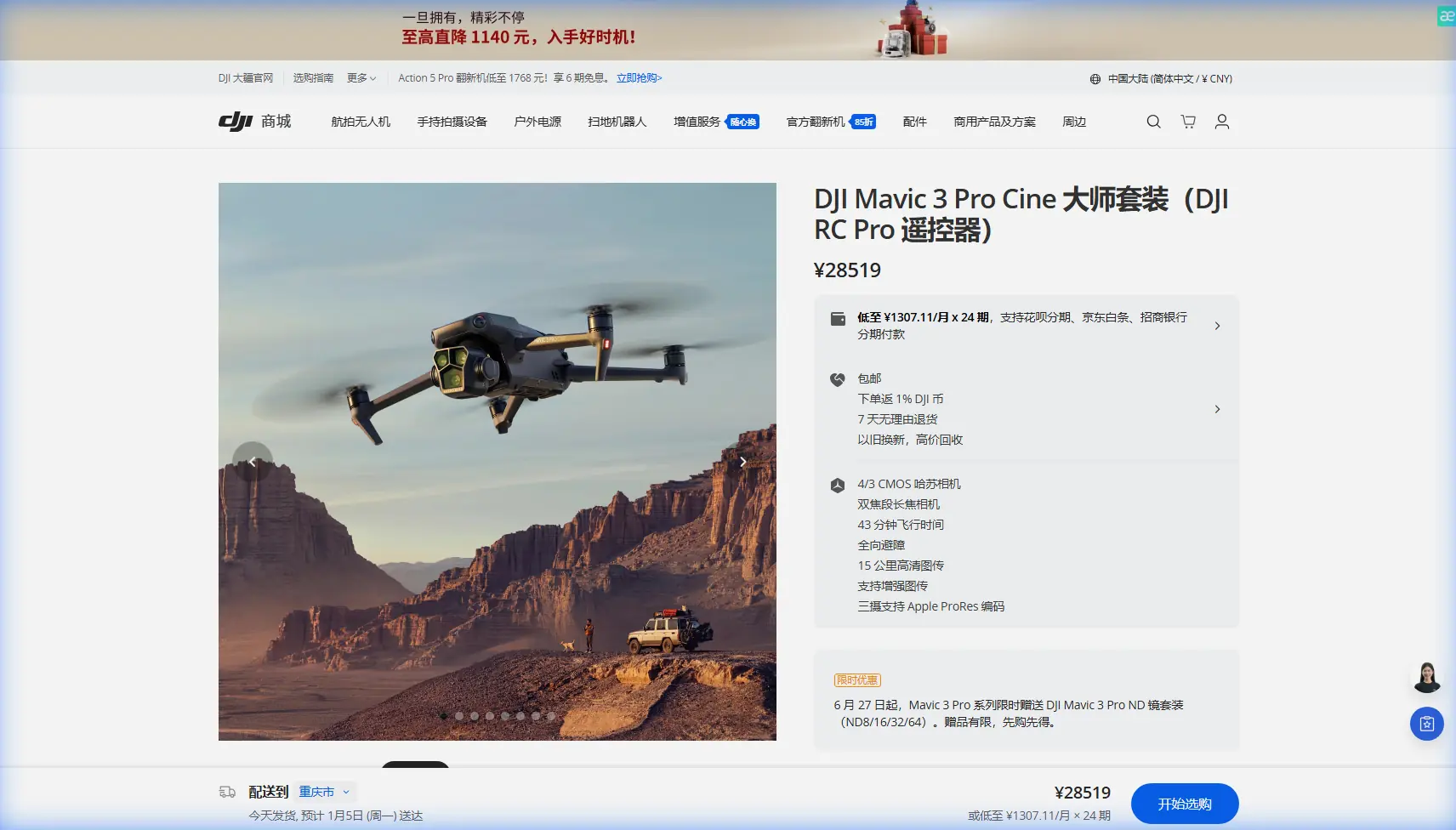
Mavic 3 Pro Construction Site Scouting in Extreme Heat
META: Master construction site scouting with Mavic 3 Pro in extreme temperatures. Expert tips for thermal management, obstacle avoidance, and professional aerial surveys.
TL;DR
- Electromagnetic interference at construction sites requires specific antenna positioning and channel selection strategies
- The Mavic 3 Pro's tri-camera system enables comprehensive site documentation from wide-angle overviews to telephoto detail shots
- Temperature management between -10°C to 40°C demands pre-flight battery conditioning and strategic flight timing
- ActiveTrack 5.0 and omnidirectional obstacle avoidance maintain safety around cranes, scaffolding, and moving equipment
Why Construction Site Scouting Demands Professional-Grade Equipment
Construction sites present unique challenges that separate professional drones from consumer toys. Heavy machinery generates electromagnetic interference. Metal structures create GPS multipath errors. Dust, debris, and extreme temperatures push equipment to operational limits.
The Mavic 3 Pro addresses these challenges with a 43-minute maximum flight time, tri-camera versatility, and enterprise-grade obstacle avoidance. For photographers and surveyors working in demanding conditions, understanding how to maximize these capabilities determines project success.
This technical review breaks down real-world performance across temperature extremes, interference mitigation strategies, and professional workflows for construction documentation.
Understanding Electromagnetic Interference at Construction Sites
Construction environments generate significant electromagnetic noise. Tower cranes with variable frequency drives, welding equipment, and radio communications all compete for spectrum space. The Mavic 3 Pro's O3+ transmission system operates on both 2.4GHz and 5.8GHz bands, but intelligent channel selection becomes critical.
Antenna Positioning for Maximum Signal Integrity
The controller's antennas function as directional receivers. Pointing them directly at the aircraft—a common mistake—actually minimizes reception. Instead, position antennas perpendicular to the drone's location, with flat faces oriented toward the aircraft.
Expert Insight: When flying near active cranes or welding operations, switch to 5.8GHz manual channel selection. The 2.4GHz band experiences more interference from industrial equipment. Monitor signal strength continuously and establish a minimum 70% threshold for safe operations.
At sites with multiple interference sources, I've found success with a systematic channel scan before each flight. The Mavic 3 Pro's transmission system displays real-time interference levels across available channels. Selecting the cleanest channel before takeoff prevents mid-flight signal degradation.
GPS Multipath and Positioning Accuracy
Metal structures reflect GPS signals, creating positioning errors that affect both flight stability and survey accuracy. The Mavic 3 Pro combines GPS, GLONASS, and Galileo satellite systems, but multipath remains problematic near tall steel structures.
Mitigation strategies include:
- Launching from open areas away from reflective surfaces
- Enabling RTK positioning for survey-grade accuracy when available
- Using visual positioning during low-altitude flights near structures
- Calibrating the compass away from rebar and steel stockpiles
- Monitoring satellite count and maintaining minimum 12 satellites for reliable positioning
Thermal Management in Extreme Temperatures
The Mavic 3 Pro's operational range spans -10°C to 40°C, but optimal performance requires active thermal management at both extremes. Construction sites in summer regularly exceed 35°C ambient temperatures, while winter operations in northern regions push cold limits.
Hot Weather Operations
High temperatures affect battery chemistry, motor efficiency, and sensor accuracy. The Intelligent Flight Batteries use LiPo cells that degrade faster above 30°C and may trigger thermal throttling above 40°C.
Pre-flight preparation for hot conditions:
- Store batteries in climate-controlled vehicles until immediately before flight
- Limit charge levels to 80% for batteries not used within 24 hours
- Plan flights during morning hours when ambient temperatures remain lower
- Reduce continuous hover time to minimize motor heat buildup
- Monitor battery temperature through the DJI Fly app's telemetry display
Pro Tip: On sites exceeding 38°C, I carry batteries in an insulated cooler with frozen gel packs. This extends usable flight time by 15-20% compared to batteries stored at ambient temperature. Never freeze batteries—target 20-25°C storage temperature.
Cold Weather Considerations
Cold operations present different challenges. Battery capacity drops significantly below 10°C, and propeller efficiency decreases in dense cold air. The Mavic 3 Pro's batteries include self-heating functionality, but pre-warming accelerates readiness.
Cold weather protocols:
- Warm batteries to 20°C minimum before flight
- Hover at low altitude for 60 seconds to stabilize battery temperature
- Reduce maximum flight distance by 30% to account for capacity loss
- Land with higher reserve battery (25% minimum versus standard 20%)
- Allow gradual temperature equalization before charging post-flight
Tri-Camera System for Construction Documentation
The Mavic 3 Pro's three-camera configuration transforms construction site documentation. Each lens serves specific survey requirements, eliminating the need for multiple flights or aircraft.
Camera Specifications and Applications
| Camera | Sensor | Focal Length | Primary Use |
|---|---|---|---|
| Hasselblad Main | 4/3 CMOS, 20MP | 24mm equivalent | Wide site overviews, progress documentation |
| Medium Tele | 1/1.3" CMOS, 48MP | 70mm equivalent | Equipment inspection, detail capture |
| Telephoto | 1/2" CMOS, 12MP | 166mm equivalent | Distant structure inspection, safety surveys |
The Hasselblad main camera captures 5.1K video and 20MP stills with exceptional dynamic range. For construction documentation, the D-Log color profile preserves highlight and shadow detail in high-contrast environments—essential when shooting into sun-facing facades or shadowed excavations.
The 70mm medium telephoto provides the sweet spot for equipment inspection. At 100 meters altitude, this lens resolves bolt patterns, weld seams, and surface defects that the wide camera misses. The 48MP resolution enables significant cropping while maintaining documentation quality.
For safety surveys of tall structures, the 166mm telephoto inspects upper floors, antenna installations, and rooftop equipment without requiring close approach. This maintains safe distances from active work zones while capturing actionable detail.
Obstacle Avoidance in Complex Environments
Construction sites feature dynamic obstacles that challenge any automated avoidance system. The Mavic 3 Pro's omnidirectional obstacle sensing uses multiple sensor types to detect hazards across all approach angles.
Sensor Configuration
The aircraft employs:
- Forward/Backward: Dual vision sensors + ToF sensors, 200m detection range
- Lateral: Dual vision sensors, 30m detection range
- Upward: Dual vision sensors + ToF, 30m detection range
- Downward: Dual vision sensors + ToF, 20m detection range
Thin obstacles like guy wires, power lines, and safety netting remain challenging for vision-based systems. The Mavic 3 Pro detects these better than previous generations, but manual vigilance remains essential around cable-supported structures.
ActiveTrack 5.0 for Equipment Monitoring
ActiveTrack 5.0 enables automated subject following, useful for documenting equipment operations or worker movements across sites. The system maintains framing while the obstacle avoidance prevents collisions with surrounding structures.
For construction applications, ActiveTrack excels at:
- Following crane operations during lift sequences
- Tracking concrete pours from mixer to placement
- Documenting equipment movement patterns for logistics optimization
- Creating dynamic progress videos showing worker activity
The Spotlight mode variant locks camera orientation on a subject while allowing manual flight path control—ideal for orbiting active work areas while maintaining consistent framing.
QuickShots and Hyperlapse for Progress Documentation
Automated flight modes create consistent, repeatable documentation that stakeholders expect from professional surveys.
QuickShots for Standardized Captures
QuickShots execute pre-programmed flight patterns:
- Dronie: Ascending backward reveal of site context
- Rocket: Vertical ascent with downward camera angle
- Circle: Orbital path around selected point of interest
- Helix: Ascending spiral combining circle and rocket movements
- Boomerang: Elliptical path around subject
For construction progress documentation, Circle mode around building corners creates consistent monthly comparison footage. Executing identical patterns from the same GPS coordinates enables time-lapse compilations showing construction advancement.
Hyperlapse for Extended Documentation
Hyperlapse mode captures time-compressed footage across extended periods. The Mavic 3 Pro offers four Hyperlapse variants:
- Free: Manual flight path with automated interval capture
- Circle: Orbital time-lapse around fixed point
- Course Lock: Linear path with consistent heading
- Waypoint: Custom multi-point path with automated execution
For construction sites, Waypoint Hyperlapse creates the most valuable documentation. Programming a consistent flight path and executing it weekly or monthly produces professional progress videos that demonstrate value to clients and stakeholders.
Common Mistakes to Avoid
Ignoring pre-flight compass calibration near steel structures leads to erratic flight behavior and potential flyaways. Always calibrate in open areas away from rebar, vehicles, and metal stockpiles.
Flying during active welding operations without frequency coordination risks signal interference and control loss. Coordinate with site supervisors to schedule flights during welding breaks.
Neglecting battery temperature monitoring in extreme conditions causes unexpected power cuts. The DJI Fly app displays battery temperature—land immediately if readings exceed 65°C or drop below 10°C during flight.
Positioning too close to active cranes creates collision risks that obstacle avoidance cannot fully mitigate. Maintain minimum 30-meter horizontal separation from crane booms and suspended loads.
Using automatic exposure in high-contrast scenes produces inconsistent documentation. Lock exposure manually when shooting facades with mixed sun and shadow to maintain frame-to-frame consistency.
Frequently Asked Questions
How does the Mavic 3 Pro handle dust and debris common at construction sites?
The Mavic 3 Pro carries an IP rating that provides basic dust resistance, but construction environments demand additional precautions. Avoid flying during active earthmoving, demolition, or concrete cutting. Post-flight, use compressed air to clear motor vents and gimbal mechanisms. Inspect propellers for debris accumulation that affects balance and efficiency.
Can the Mavic 3 Pro create survey-grade orthomosaic maps of construction sites?
The Mavic 3 Pro captures imagery suitable for photogrammetric processing, but survey-grade accuracy requires RTK positioning or ground control points. The standard GPS accuracy of ±0.5m horizontal suffices for progress documentation but falls short of engineering survey requirements. For survey-grade deliverables, integrate with RTK modules or establish GCP networks processed through software like Pix4D or DroneDeploy.
What flight altitude provides optimal coverage for construction site documentation?
Optimal altitude depends on documentation purpose. For overall progress photos, 80-120 meters captures full site context with sufficient detail. For equipment inspection, 30-50 meters with the telephoto lens resolves component-level detail. For orthomosaic mapping, calculate altitude based on desired ground sample distance—typically 60-80 meters for 2cm/pixel resolution with the main camera.
Final Recommendations for Construction Professionals
The Mavic 3 Pro delivers professional-grade construction documentation when operators understand its capabilities and limitations. Electromagnetic interference management, thermal protocols, and strategic camera selection separate amateur footage from professional deliverables.
Invest time in site-specific flight planning. Document interference sources, establish safe launch zones, and program repeatable waypoint missions for consistent progress documentation. The initial planning investment pays dividends across project timelines.
Ready for your own Mavic 3 Pro? Contact our team for expert consultation.