
Mavic 3 Pro Vineyard Monitoring: Complete Guide
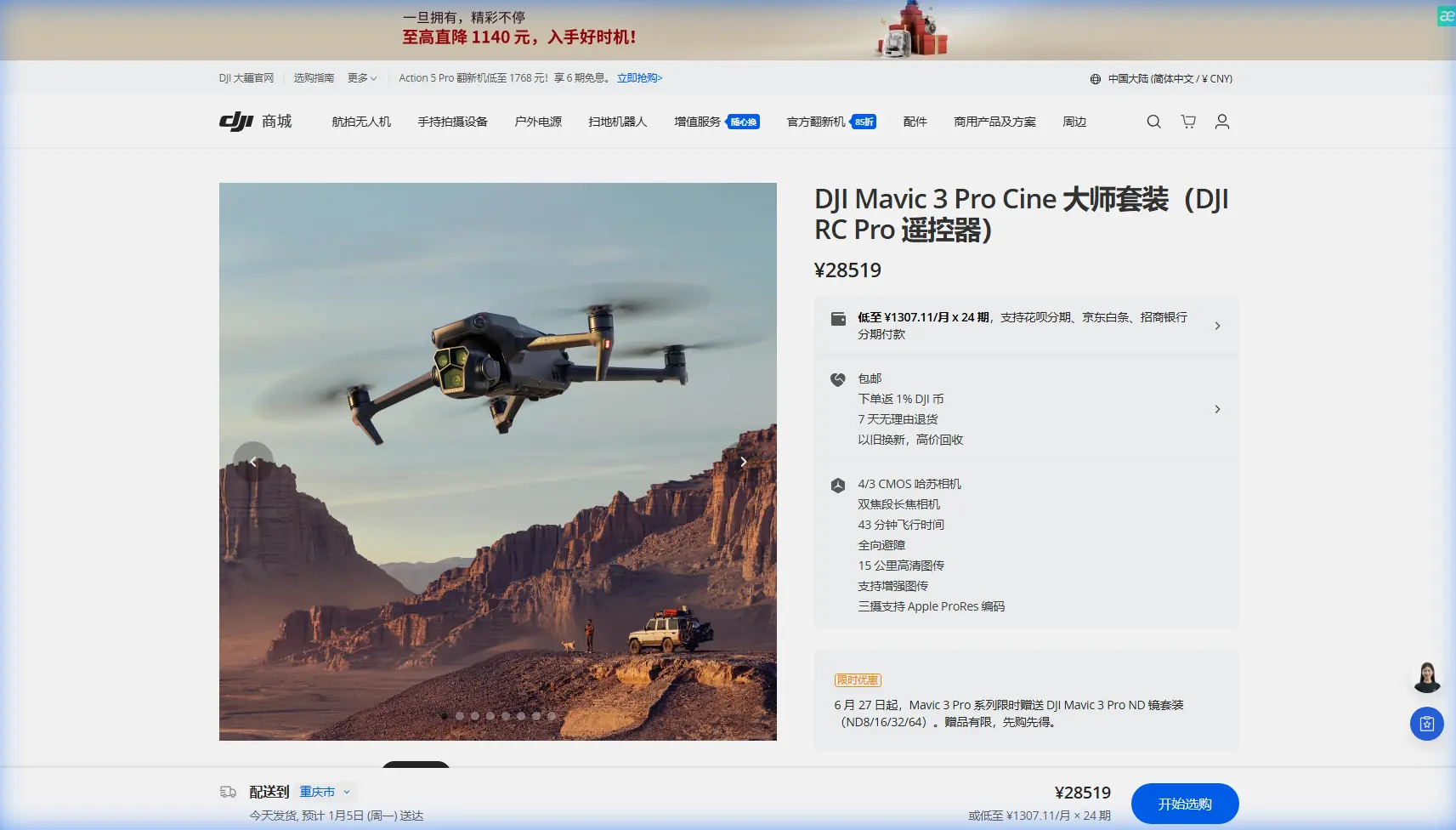
Mavic 3 Pro Vineyard Monitoring: Complete Guide
META: Master vineyard monitoring with the Mavic 3 Pro drone. Learn optimal flight settings, camera techniques, and expert workflows for remote agricultural surveillance.
TL;DR
- Optimal flight altitude for vineyard monitoring sits between 30-50 meters, balancing coverage area with detail capture for vine health assessment
- The Mavic 3 Pro's triple-camera system enables simultaneous wide-angle mapping and telephoto inspection without multiple flight passes
- D-Log color profile preserves critical color data for detecting early signs of disease, nutrient deficiency, and irrigation issues
- ActiveTrack and obstacle avoidance systems allow safe autonomous flights through challenging terrain with minimal pilot intervention
Why the Mavic 3 Pro Dominates Agricultural Monitoring
Remote vineyard monitoring demands a drone that combines endurance, image quality, and intelligent flight capabilities. The Mavic 3 Pro delivers 46 minutes of maximum flight time, enabling coverage of extensive vineyard plots without constant battery swaps.
For vineyard managers operating in isolated regions, this extended flight time translates directly into operational efficiency. A single battery can survey 15-20 hectares of vine rows when flying systematic grid patterns at moderate speeds.
The Hasselblad camera system captures 20MP stills and 5.1K video, providing the resolution necessary for identifying individual vine stress indicators from altitude. This imaging capability separates professional agricultural monitoring from hobbyist aerial photography.
Understanding Optimal Flight Altitude for Vineyard Surveillance
Expert Insight: After monitoring dozens of vineyard operations, I've found that 35 meters provides the ideal balance between ground sampling distance and coverage efficiency. This altitude captures sufficient detail to identify leaf discoloration while maintaining a wide enough field of view for efficient flight planning.
Altitude Selection by Monitoring Objective
General Health Assessment (40-50 meters)
- Covers maximum ground area per flight
- Identifies large-scale irrigation patterns
- Detects obvious disease spread zones
- Best for initial seasonal surveys
Detailed Vine Inspection (25-35 meters)
- Reveals individual plant stress indicators
- Captures leaf texture and color variations
- Identifies pest damage patterns
- Optimal for targeted problem-area investigation
Close Inspection Passes (15-25 meters)
- Documents specific vine conditions
- Enables fruit development monitoring
- Requires slower flight speeds
- Best reserved for identified problem zones
Ground Sampling Distance Calculations
The Mavic 3 Pro's 24mm equivalent wide camera produces these approximate ground sampling distances:
| Flight Altitude | GSD (cm/pixel) | Coverage per Frame | Best Use Case |
|---|---|---|---|
| 20 meters | 0.5 cm | 35m × 26m | Detail inspection |
| 35 meters | 0.9 cm | 61m × 46m | Standard monitoring |
| 50 meters | 1.3 cm | 87m × 65m | Wide-area survey |
| 80 meters | 2.1 cm | 140m × 105m | Property overview |
Configuring Camera Settings for Agricultural Data
D-Log Profile for Maximum Data Retention
Standard color profiles crush shadow and highlight detail that contains critical agricultural information. D-Log preserves approximately 12.8 stops of dynamic range, capturing subtle color variations invisible in processed footage.
Vineyard monitoring benefits from D-Log because:
- Early chlorosis appears as slight yellow-green shifts before becoming obvious
- Water stress manifests in subtle reflectance changes
- Fungal infections create minor color temperature variations
- Nutrient deficiencies produce gradual color gradients
Post-processing D-Log footage allows extraction of this hidden data through color grading and analysis software.
Recommended Camera Configuration
For Video Monitoring Passes:
- Resolution: 5.1K/30fps or 4K/60fps
- Color Profile: D-Log
- ISO: 100-400 (lowest possible)
- Shutter Speed: Follow 180-degree rule
- White Balance: Manual 5600K for consistency
For Still Image Mapping:
- Format: RAW + JPEG
- ISO: 100-200
- Aperture: f/4-f/5.6 for maximum sharpness
- Interval: 2-second automatic capture
Leveraging the Triple-Camera System
The Mavic 3 Pro's three-camera array transforms vineyard monitoring workflows. Rather than flying multiple passes at different altitudes, operators capture comprehensive data simultaneously.
Camera Selection Strategy
Hasselblad Wide Camera (24mm equivalent)
- Primary mapping and survey camera
- Captures maximum coverage per frame
- Best color science for vegetation analysis
Medium Telephoto (70mm equivalent)
- Detailed row inspection without altitude changes
- Identifies specific vine conditions
- Bridges gap between survey and close inspection
Telephoto Camera (166mm equivalent)
- Remote inspection of inaccessible areas
- Documents specific problems without approach
- Enables safe distance from obstacles
Pro Tip: Program your controller's C1 button for instant camera switching. During monitoring flights, I maintain wide-angle for navigation while switching to telephoto for quick inspections of suspicious areas—all without interrupting the flight path.
Obstacle Avoidance in Complex Terrain
Remote vineyards present unique navigation challenges. Hillside plantings, support structures, and surrounding vegetation create obstacle-rich environments where the Mavic 3 Pro's omnidirectional sensing system proves essential.
Sensor Configuration for Vineyard Operations
The drone's eight vision sensors and two wide-angle sensors detect obstacles in all directions. For vineyard work, configure these settings:
- APAS 5.0: Set to "Bypass" mode for autonomous obstacle navigation
- Braking Distance: Increase to 8-10 meters for additional safety margin
- Return-to-Home Altitude: Set 20 meters above highest obstacle
- Max Altitude: Configure based on local regulations and terrain
Terrain Following Considerations
Hillside vineyards require constant altitude adjustment to maintain consistent ground sampling distance. The Mavic 3 Pro's terrain following maintains relative altitude above ground rather than absolute altitude above takeoff point.
Enable terrain following when:
- Elevation changes exceed 15 meters across the survey area
- Consistent image resolution matters for analysis
- Automated flight plans cover variable terrain
Subject Tracking for Dynamic Monitoring
ActiveTrack technology serves unexpected purposes in agricultural applications. Beyond following moving subjects, this system enables:
Equipment Monitoring
- Track harvesting machinery through rows
- Document spraying coverage patterns
- Monitor worker safety from above
Wildlife Assessment
- Follow pest animal movements
- Document bird damage patterns
- Track beneficial insect activity
Irrigation System Inspection
- Follow water lines through the vineyard
- Document sprinkler coverage
- Identify leak locations
Creating Time-Based Documentation with Hyperlapse
Hyperlapse mode produces compelling visual documentation of vineyard conditions over time. For agricultural purposes, this feature creates:
- Seasonal growth progression videos
- Harvest readiness documentation
- Weather impact assessments
- Treatment effectiveness records
Recommended Hyperlapse Settings:
- Mode: Waypoint for repeatable paths
- Interval: 2 seconds for smooth motion
- Duration: 30-60 seconds final output
- Resolution: 4K for detail retention
QuickShots for Rapid Documentation
While QuickShots primarily serve creative purposes, agricultural operators repurpose these automated flight patterns for systematic documentation.
Dronie Mode: Creates automatic pullback shots documenting specific vine sections with geographic context.
Circle Mode: Orbits problem areas, capturing 360-degree documentation of disease spread or damage patterns.
Helix Mode: Combines orbital movement with altitude gain, showing vertical extent of issues like frost damage or growth variations.
Common Mistakes to Avoid
Flying Too Fast for Image Quality Excessive speed creates motion blur that destroys analytical value. Maintain maximum 8 m/s for video monitoring and 5 m/s for still image capture.
Ignoring Weather Windows Overcast conditions actually benefit agricultural monitoring by eliminating harsh shadows. However, wind speeds above 8 m/s compromise image stability despite gimbal stabilization.
Inconsistent Flight Patterns Random flight paths prevent meaningful comparison between monitoring sessions. Establish repeatable waypoint missions for consistent data collection.
Neglecting Calibration Compass interference from vineyard infrastructure causes erratic behavior. Calibrate before each session, away from metal posts and irrigation equipment.
Overlooking Battery Temperature Remote locations often mean extreme temperatures. The Mavic 3 Pro operates optimally between -10°C and 40°C. Pre-warm batteries in cold conditions and avoid midday flights during heat waves.
Frequently Asked Questions
How many hectares can the Mavic 3 Pro cover on a single battery?
At 35-meter altitude with 8 m/s flight speed and systematic grid patterns, expect coverage of 15-20 hectares per battery. This assumes standard monitoring passes without extended hover time for detailed inspection. Carrying three batteries enables comprehensive coverage of most vineyard operations in a single session.
What's the best time of day for vineyard monitoring flights?
Early morning (7-9 AM) and late afternoon (4-6 PM) provide optimal lighting conditions. These windows offer soft, directional light that reveals terrain texture and plant structure. Midday flights create harsh shadows that obscure ground detail and stress the camera's dynamic range.
Can the Mavic 3 Pro detect vine diseases from aerial footage?
The drone captures visual data that reveals disease indicators when properly analyzed. Chlorosis, necrosis, and abnormal growth patterns become visible in high-resolution imagery. However, definitive disease identification requires ground-truthing and potentially multispectral analysis beyond standard RGB imaging capabilities.
About the Author: Chris Park specializes in agricultural drone applications, developing monitoring protocols for vineyard and orchard operations across diverse growing regions.
Ready for your own Mavic 3 Pro? Contact our team for expert consultation.