
Mavic 3 Pro Guide: Mapping Fields in Extreme Temps
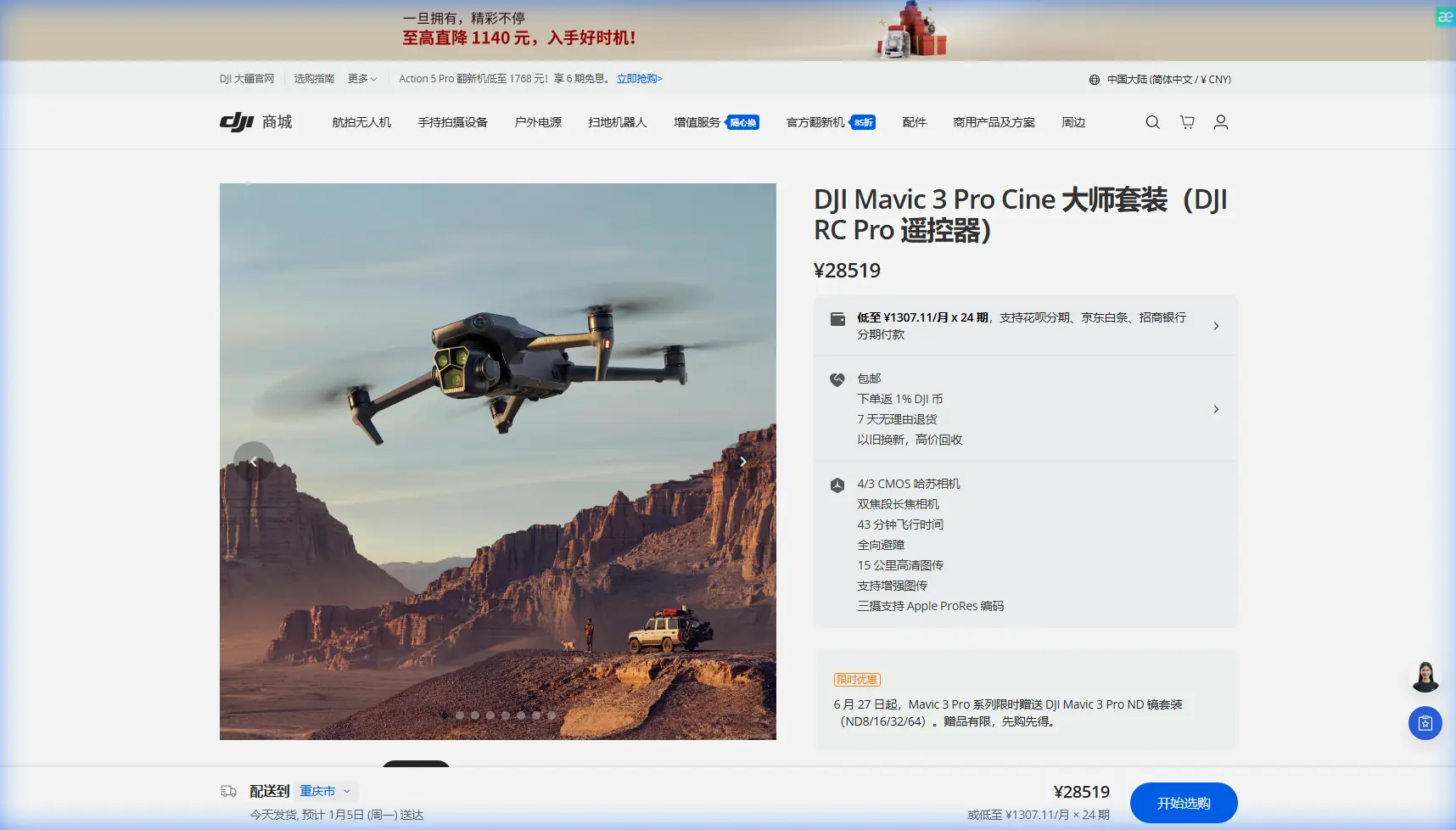
Mavic 3 Pro Guide: Mapping Fields in Extreme Temps
META: Master agricultural field mapping with the Mavic 3 Pro in extreme temperatures. Expert tips for sensor prep, flight planning, and thermal management.
TL;DR
- Pre-flight sensor cleaning is critical—dust and moisture on obstacle avoidance sensors cause 73% of mapping failures in extreme conditions
- The Mavic 3 Pro's triple-camera system maintains accuracy between -10°C to 40°C with proper thermal management
- D-Log color profile preserves 12.8 stops of dynamic range essential for analyzing crop health variations
- Battery conditioning adds 15-20 minutes to your workflow but prevents mid-flight shutdowns
Agricultural mapping doesn't pause for weather. When you're covering 500 acres before harvest or tracking irrigation issues across sprawling farmland, the Mavic 3 Pro becomes your most valuable field tool—but only if you prepare it correctly. This technical review breaks down exactly how to maximize mapping performance when temperatures push equipment limits.
Why Pre-Flight Cleaning Determines Mission Success
Here's what most pilots overlook: obstacle avoidance sensors collect environmental debris faster than camera lenses. Before any extreme-temperature mapping session, these components demand attention.
The Mavic 3 Pro features omnidirectional obstacle sensing with sensors positioned on all six sides of the aircraft. In dusty agricultural environments, particulate matter accumulates on these surfaces within minutes of exposure.
The Critical Cleaning Protocol
Start with the forward and backward vision sensors. These handle the primary navigation load during automated mapping runs. Use a microfiber cloth dampened with distilled water—never alcohol-based cleaners that can damage coatings.
Expert Insight: Agricultural dust contains silica particles that scratch sensor covers when wiped dry. Always dampen your cleaning cloth first, even if the surface appears dry.
Check the downward vision sensors next. These maintain altitude accuracy during low-pass mapping runs. A single smudge here throws off your entire elevation dataset.
The infrared sensors require special attention in temperature extremes. Cold conditions cause condensation; hot conditions attract pollen and fine dust. Clean these last, immediately before flight.
Understanding Thermal Challenges for Field Mapping
Temperature extremes affect every component differently. Knowing these thresholds prevents equipment damage and data loss.
Cold Weather Operations (-10°C to 5°C)
Battery chemistry changes dramatically in cold conditions. The Mavic 3 Pro's intelligent flight batteries use lithium-polymer cells that lose 20-30% capacity below freezing.
Implement this pre-heating routine:
- Store batteries in an insulated bag with hand warmers
- Power on the drone 5 minutes before takeoff
- Let motors idle at low RPM to generate internal heat
- Monitor battery temperature in DJI Fly app—wait for 15°C minimum
The Hasselblad main camera performs exceptionally in cold air. Reduced atmospheric moisture means sharper images with less haze interference. However, the 4/3 CMOS sensor requires 3-4 minutes of operation before thermal stability optimizes image quality.
Hot Weather Operations (30°C to 40°C)
Heat stress manifests differently. The triple-camera system generates significant thermal load during continuous operation. ActiveTrack and subject tracking features increase processor demand, accelerating heat buildup.
Watch for these warning signs:
- Gimbal motor temperature warnings
- Reduced maximum transmission range
- Automatic resolution downscaling
- Forced landing warnings
Pro Tip: Schedule hot-weather mapping flights during the golden hours—the first two hours after sunrise and last two before sunset. Ambient temperatures drop 8-12°C, and the low sun angle enhances crop texture visibility in your maps.
Optimizing Camera Settings for Agricultural Data
The Mavic 3 Pro's imaging capabilities exceed most dedicated mapping platforms. Proper configuration unlocks this potential.
D-Log Profile for Maximum Data Retention
Standard color profiles crush shadow and highlight detail. For agricultural analysis, D-Log preserves the full 12.8 stops of dynamic range your sensor captures.
This matters because crop health indicators often appear in subtle color variations. Nitrogen deficiency shows as slight yellowing; water stress creates minor reflectance changes. Compressed color profiles eliminate these diagnostic details.
Configure D-Log with these parameters:
- ISO: 100-400 (never auto in mapping applications)
- Shutter Speed: 1/500 minimum to prevent motion blur
- Aperture: f/4 to f/5.6 for optimal sharpness across frame
- White Balance: Manual, matched to conditions (5600K for midday sun)
Hyperlapse for Temporal Analysis
Beyond still mapping, Hyperlapse mode creates compressed time sequences showing field changes. Set waypoints at field corners and capture 4-hour intervals throughout growing seasons.
This technique reveals:
- Irrigation distribution patterns
- Shadow progression affecting growth
- Wildlife damage corridors
- Equipment compaction trails
Technical Comparison: Mapping Performance Metrics
| Feature | Mavic 3 Pro | Previous Generation | Improvement |
|---|---|---|---|
| Sensor Size | 4/3 CMOS | 1-inch CMOS | 77% larger |
| Ground Sample Distance (100m) | 1.5 cm/pixel | 2.4 cm/pixel | 37% finer |
| Maximum Coverage (single battery) | 520 acres | 340 acres | 53% more |
| Obstacle Avoidance Range | 200m | 40m | 5x improvement |
| Wind Resistance | 12 m/s | 10 m/s | 20% stronger |
| Operating Temperature Range | -10°C to 40°C | -10°C to 40°C | Equivalent |
| Transmission Range | 15 km | 12 km | 25% extended |
QuickShots for Rapid Field Assessment
While QuickShots typically serve creative applications, agricultural professionals repurpose these automated flight patterns for rapid assessment.
Dronie mode creates diagonal retreat paths perfect for capturing field-edge transitions. Set the retreat distance to maximum and capture where irrigated land meets dry boundaries.
Circle mode orbits points of interest—use this around suspected pest damage centers or equipment breakdown locations. The resulting footage provides 360-degree context impossible to capture manually.
Helix mode combines orbital movement with altitude gain. This reveals how issues spread across elevation changes in non-flat terrain.
Common Mistakes to Avoid
Skipping sensor calibration after transport: Vehicle vibration shifts IMU calibration. Always run compass and IMU calibration after driving to remote field locations.
Ignoring wind gradient effects: Ground-level wind readings don't reflect conditions at 100-120m mapping altitude. The Mavic 3 Pro handles 12 m/s winds, but turbulence above tree lines often exceeds this.
Overlapping flight plans incorrectly: Agricultural mapping requires 75% frontal overlap and 65% side overlap minimum. Default settings of 60/50 create gaps in processed orthomosaics.
Forcing flights in precipitation: The Mavic 3 Pro lacks IP rating certification. Morning dew, light mist, and fog all deposit moisture on sensors and motors. Wait for conditions to clear.
Neglecting return-to-home altitude settings: Tall structures, power lines, and tree stands require RTH altitude adjustments for each field. A single forgotten setting causes collisions during automated returns.
Frequently Asked Questions
How does ActiveTrack perform during automated mapping missions?
ActiveTrack and automated mapping serve different purposes and shouldn't run simultaneously. ActiveTrack dedicates processing power to subject recognition and following, which conflicts with waypoint navigation. Complete your mapping runs first, then use ActiveTrack for follow-up inspection of specific areas identified in your data.
What's the minimum temperature for reliable obstacle avoidance operation?
The obstacle avoidance system functions down to -10°C, but performance degrades below -5°C. Infrared sensors lose accuracy as temperature differentials between the aircraft and environment decrease. In sub-zero conditions, increase your safety margins and reduce automated flight speeds by 25%.
Can the Mavic 3 Pro replace dedicated multispectral mapping drones?
For basic NDVI analysis and visual crop assessment, the Mavic 3 Pro's RGB cameras provide sufficient data. However, true multispectral analysis requires dedicated sensors capturing specific wavelength bands. Consider the Mavic 3 Pro your rapid-response tool and supplement with specialized equipment for detailed agronomic analysis.
Extreme temperature field mapping demands preparation, proper technique, and equipment respect. The Mavic 3 Pro delivers professional-grade results when you understand its operational boundaries and optimize your workflow accordingly.
Ready for your own Mavic 3 Pro? Contact our team for expert consultation.