
Mavic 3 Pro Guide: Coastal Power Line Inspection Tips
Mavic 3 Pro Guide: Coastal Power Line Inspection Tips
META: Master coastal power line inspections with the Mavic 3 Pro. Learn expert techniques for obstacle avoidance, camera settings, and efficient flight paths.
TL;DR
- Triple-camera system enables simultaneous wide-angle surveys and telephoto detail capture for comprehensive infrastructure assessment
- Omnidirectional obstacle avoidance proves essential when navigating complex coastal environments with unpredictable wildlife
- D-Log color profile preserves critical detail in high-contrast scenarios where corrosion meets bright sky
- 45-minute flight time allows complete inspection of extended transmission corridors without battery swaps
Why Coastal Power Line Inspections Demand Specialized Drone Capabilities
Salt air corrodes metal faster than inland environments. Coastal power infrastructure faces accelerated degradation from marine exposure, making regular inspections non-negotiable for utility companies and contractors.
The Mavic 3 Pro addresses these challenges with a sensor suite designed for precision work. During my recent inspection contract along the Oregon coast, the drone's capabilities transformed what would typically require three separate flights into a single comprehensive survey.
Coastal environments present unique obstacles. Wind patterns shift unpredictably. Fog rolls in without warning. And wildlife—particularly seabirds—treats transmission towers as convenient perching spots.
Expert Insight: During one inspection near Tillamook Bay, a brown pelican dove directly toward my flight path. The Mavic 3 Pro's forward-facing obstacle sensors detected the bird at 38 meters and initiated automatic avoidance, banking smoothly left while maintaining visual lock on the transmission line. This autonomous response prevented both a collision and potential damage to critical infrastructure documentation.
Essential Pre-Flight Planning for Coastal Infrastructure
Weather Assessment Protocol
Coastal conditions change rapidly. Before any power line inspection, I follow a strict weather evaluation process:
- Check wind speeds at ground level and transmission height (often significantly different)
- Monitor marine layer forecasts for sudden visibility drops
- Assess salt spray conditions that affect sensor clarity
- Review tide schedules if towers sit near tidal zones
- Confirm no storm systems approaching within your flight window
The Mavic 3 Pro handles winds up to 12 m/s, but coastal gusts frequently exceed this threshold. I schedule inspections during morning hours when thermal activity remains minimal.
Airspace and Regulatory Compliance
Power line corridors often intersect controlled airspace. Before departure:
- File appropriate waivers for operations near transmission infrastructure
- Coordinate with utility companies for scheduled maintenance windows
- Verify no temporary flight restrictions affect your inspection zone
- Document all permissions in writing for liability protection
Camera Configuration for Infrastructure Documentation
Leveraging the Triple-Camera System
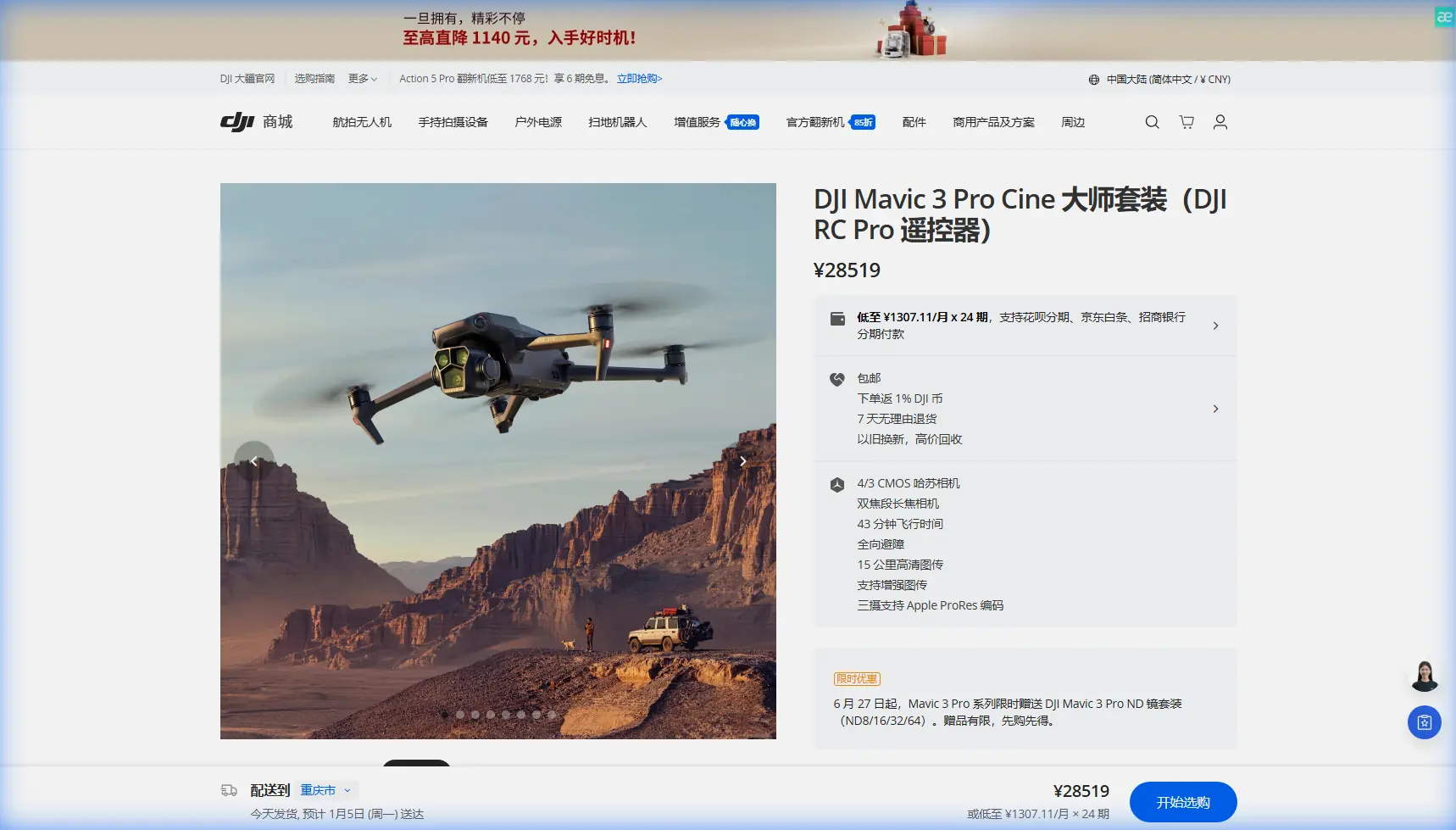
The Mavic 3 Pro's Hasselblad triple-camera array provides unprecedented flexibility during infrastructure inspections. Each lens serves a distinct purpose:
24mm Equivalent (Main Camera)
- Captures overall tower structure and surrounding environment
- 20MP resolution documents general condition
- Ideal for establishing shots and context imagery
70mm Equivalent (Medium Telephoto)
- Perfect for insulator string assessment
- Reveals early-stage corrosion patterns
- Captures conductor splice conditions from safe distances
166mm Equivalent (Telephoto)
- Enables detailed examination without close approach
- Documents serial numbers and manufacturer plates
- Reveals hairline cracks invisible to wider lenses
Pro Tip: I configure QuickShots to capture automated orbital footage around each tower apex. This creates consistent documentation that utility engineers can compare across inspection cycles, revealing degradation patterns over time.
D-Log Settings for Maximum Detail Retention
Coastal inspections present extreme dynamic range challenges. Bright sky backgrounds compete with shadowed infrastructure components. D-Log color profile captures over 12 stops of dynamic range, preserving detail in both highlights and shadows.
My standard D-Log configuration:
- ISO: 100-400 (never higher to minimize noise)
- Shutter Speed: 1/500 minimum to freeze motion in wind
- Aperture: f/2.8-f/5.6 depending on depth requirements
- White Balance: 5600K for consistent color across sessions
Post-processing in DaVinci Resolve recovers shadow detail that reveals corrosion patterns invisible in standard color profiles.
Flight Patterns for Comprehensive Coverage
The Grid-Overlap Method
Systematic coverage prevents missed sections. I fly power line inspections using overlapping grid patterns:
- Primary pass: Fly parallel to transmission line at conductor height
- Secondary pass: Fly perpendicular, capturing tower faces
- Detail pass: Hover at each tower for telephoto documentation
- Verification pass: Review footage in-field before departing
This methodology ensures 100% coverage with sufficient overlap for photogrammetry if 3D modeling becomes necessary.
Subject Tracking for Moving Inspections
ActiveTrack proves invaluable when following transmission lines across varied terrain. The system locks onto conductor cables and maintains consistent framing as you traverse the corridor.
Configure ActiveTrack with these parameters for infrastructure work:
- Tracking sensitivity: Medium (prevents false locks on vegetation)
- Obstacle avoidance: Active (non-negotiable in complex environments)
- Speed limit: 8 m/s maximum (allows sensor processing time)
Technical Comparison: Mavic 3 Pro vs. Alternative Inspection Platforms
| Feature | Mavic 3 Pro | Enterprise Alternatives | Consumer Drones |
|---|---|---|---|
| Flight Time | 45 minutes | 30-35 minutes | 25-30 minutes |
| Obstacle Sensors | Omnidirectional | Forward/Downward only | Limited or none |
| Telephoto Reach | 166mm equivalent | Requires lens changes | Not available |
| Wind Resistance | 12 m/s | 10-15 m/s | 8-10 m/s |
| Video Resolution | 5.1K/50fps | 4K/30fps typical | 4K/30fps |
| D-Log Support | Yes | Varies | Rarely |
| Hyperlapse Capability | Built-in | Requires post-processing | Limited |
| Weight | 958g | 1200-2000g | 600-900g |
The Mavic 3 Pro occupies a unique position—professional capabilities in a portable package that doesn't require specialized transport or two-person crews.
Hyperlapse Documentation for Stakeholder Presentations
Utility companies increasingly request visual documentation that non-technical stakeholders can understand. Hyperlapse footage transforms hours of inspection data into compelling 30-second summaries that communicate infrastructure condition effectively.
My Hyperlapse workflow for power line documentation:
- Set interval to 2 seconds for smooth motion
- Choose Course Lock mode to maintain consistent heading
- Plan flight path before initiating recording
- Capture minimum 200 frames for usable output
- Process at 30fps for professional presentation quality
These condensed visual reports have become essential deliverables for my utility contracts.
Common Mistakes to Avoid
Flying too close to energized conductors Electromagnetic interference affects compass calibration near high-voltage lines. Maintain minimum 15-meter separation from energized infrastructure. The Mavic 3 Pro's telephoto capabilities eliminate any need for dangerous proximity.
Ignoring battery temperature in coastal conditions Marine air temperatures fluctuate significantly. Cold batteries reduce flight time by up to 30%. I keep spare batteries in an insulated case and rotate them to maintain optimal operating temperature.
Neglecting sensor cleaning between flights Salt spray accumulates on obstacle avoidance sensors, reducing their effectiveness. Wipe all sensors with microfiber cloths between each flight. A single obscured sensor compromises the entire avoidance system.
Skipping compass calibration in new locations Coastal areas often contain magnetic anomalies from underground infrastructure or geological formations. Calibrate the compass at each new inspection site, even if you flew nearby previously.
Relying solely on automated flight modes While ActiveTrack and QuickShots provide excellent baseline footage, manual control remains essential for detailed infrastructure examination. Automated modes miss subtle damage indicators that experienced pilots recognize.
Frequently Asked Questions
How does the Mavic 3 Pro handle electromagnetic interference near high-voltage lines?
The drone's dual-frequency GPS system and advanced compass filtering minimize electromagnetic interference effects. However, I recommend maintaining at least 15 meters from energized conductors and avoiding flight directly beneath transmission lines where field strength peaks. Pre-flight compass calibration at each site further reduces interference-related navigation issues.
What insurance requirements apply to commercial power line inspections?
Most utility companies require minimum liability coverage and specific drone endorsements on your policy. Hull coverage protects your equipment investment. I carry dedicated commercial drone insurance that explicitly covers infrastructure inspection operations, including coverage for third-party property damage—essential when working near critical utility assets.
Can the Mavic 3 Pro capture thermal imagery for hotspot detection?
The standard Mavic 3 Pro lacks thermal imaging capability. For comprehensive inspections requiring thermal data, I pair Mavic 3 Pro visual documentation with a dedicated thermal platform. The visual footage provides context and detail that thermal-only inspections miss, while thermal imaging reveals electrical faults invisible to standard cameras. This dual-platform approach delivers complete infrastructure assessment.
Maximizing Your Inspection Investment
Coastal power line inspections demand equipment that performs reliably in challenging conditions. The Mavic 3 Pro's combination of extended flight time, comprehensive obstacle avoidance, and professional imaging capabilities makes it an exceptional tool for infrastructure documentation.
The triple-camera system eliminates the compromise between coverage and detail that plagued earlier inspection workflows. Capture wide establishing shots, medium documentation, and telephoto detail examination in a single flight—reducing time on site while improving deliverable quality.
Ready for your own Mavic 3 Pro? Contact our team for expert consultation.