
Mavic 3 Pro for Vineyard Mapping: Expert Tutorial
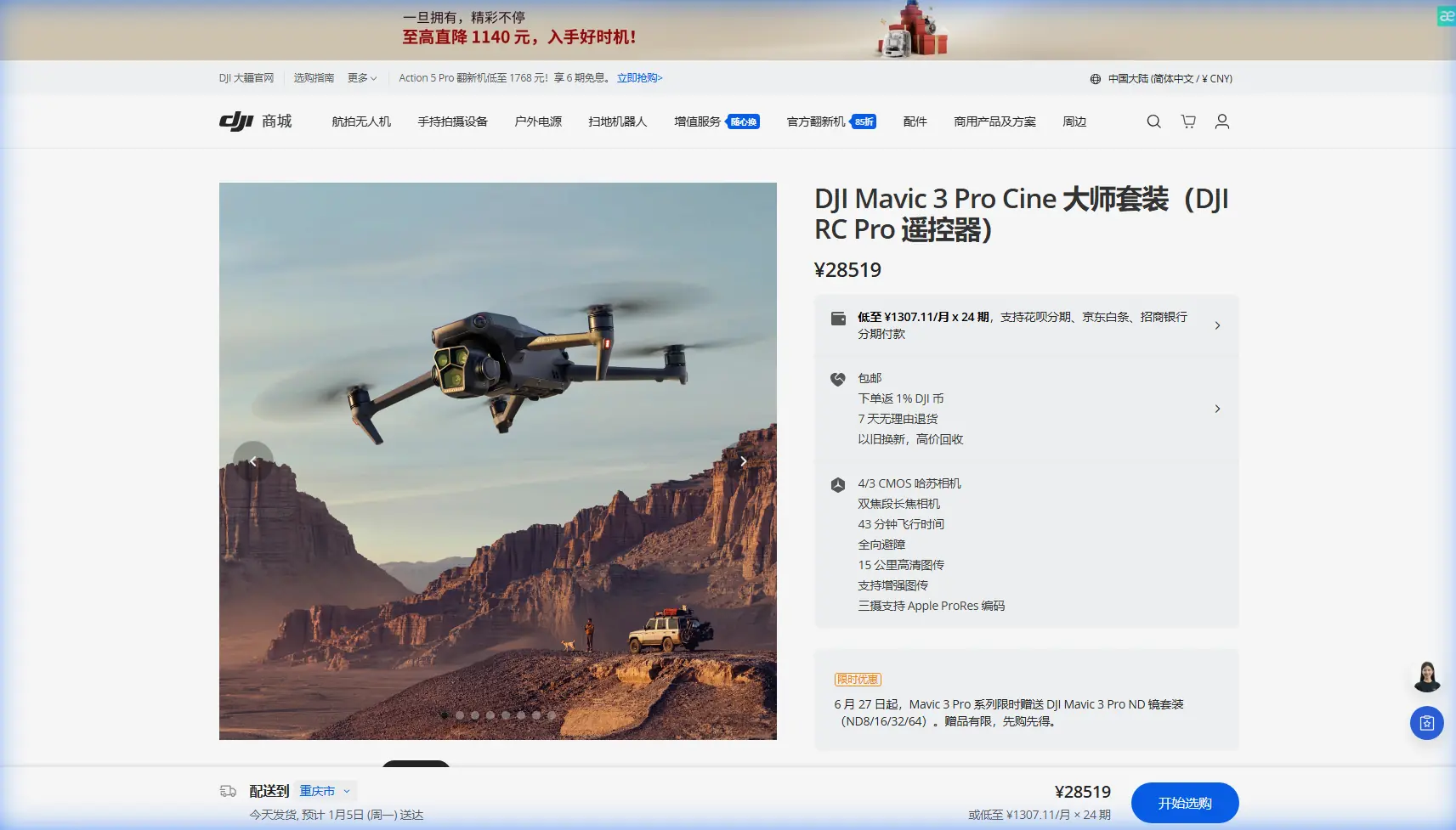
Mavic 3 Pro for Vineyard Mapping: Expert Tutorial
META: Master vineyard aerial photography with the Mavic 3 Pro. Learn terrain navigation, camera settings, and pro techniques for stunning results.
TL;DR
- Triple-camera system captures vineyard rows with unprecedented detail across varying terrain elevations
- Obstacle avoidance sensors prevent costly crashes when flying between trellises and hillside obstacles
- D-Log color profile preserves highlight and shadow data essential for post-processing vineyard imagery
- 45-minute flight time covers 200+ acres per battery in optimal conditions
Why Vineyard Aerial Photography Demands Specialized Equipment
Vineyard photography presents challenges that standard consumer drones simply cannot handle. Steep hillsides, dense canopy coverage, and narrow row spacing create a technical obstacle course that separates professional results from amateur attempts.
The Mavic 3 Pro addresses these challenges through its omnidirectional obstacle sensing system and tri-camera array. After spending three seasons capturing imagery for Napa Valley and Sonoma County vineyards, I've developed workflows that maximize this drone's capabilities in complex agricultural terrain.
This tutorial walks you through my complete process—from pre-flight planning to final delivery—so you can capture vineyard imagery that impresses clients and showcases properties at their absolute best.
Understanding the Mavic 3 Pro's Triple Camera Advantage
The Mavic 3 Pro features three distinct cameras, each serving specific vineyard photography needs:
- Hasselblad 4/3 CMOS (24mm equivalent): Primary camera for wide establishing shots capturing entire vineyard blocks
- 70mm telephoto: Isolates specific rows, captures detail shots of grape clusters without disturbing the canopy
- 166mm telephoto: Compresses perspective for dramatic hillside compositions showing terrain undulation
Sensor Specifications That Matter for Agriculture
| Camera | Sensor Size | Resolution | Best Vineyard Use |
|---|---|---|---|
| Wide | 4/3 CMOS | 20MP | Property overviews, mapping |
| Medium Tele | 1/1.3" CMOS | 48MP | Row detail, canopy health |
| Long Tele | 1/2" CMOS | 12MP | Distant hillside compression |
The 4/3 sensor on the primary camera captures 12.8 stops of dynamic range, critical when shooting vineyards where bright sky meets shadowed valley floors.
Expert Insight: Switch to the 70mm camera when documenting irrigation systems or trellis conditions. The compression eliminates distracting background elements while maintaining sharp focus on agricultural infrastructure.
Pre-Flight Planning for Complex Terrain
Vineyard terrain rarely cooperates with simple flight plans. Before every shoot, I complete these essential steps:
Terrain Assessment Protocol
- Study topographic maps to identify elevation changes exceeding 50 feet
- Mark obstacle locations including power lines, wind machines, and bird netting structures
- Identify no-fly zones near neighboring properties or sensitive wildlife areas
- Check wind patterns specific to valley corridors and hillside updrafts
Flight Mode Selection
The Mavic 3 Pro offers multiple flight modes, but vineyard work demands specific choices:
- Cine Mode: Reduces maximum speed to 3.6 mph for buttery-smooth reveals
- Normal Mode: Balanced control for general coverage at 9 mph
- Sport Mode: Reserved only for repositioning between locations—never during active filming
ActiveTrack becomes invaluable when following vineyard roads or capturing harvest equipment in motion. The system maintains subject lock even when tractors pass behind trellis posts.
Camera Settings for Vineyard Excellence
D-Log Configuration
D-Log captures the flat, data-rich footage that professional colorists require. Configure these settings before launch:
- Color Profile: D-Log
- ISO: 100-400 (native range for cleanest files)
- Shutter Speed: Double your frame rate (1/50 for 24fps, 1/60 for 30fps)
- White Balance: 5600K for golden hour, 6500K for overcast conditions
Resolution and Frame Rate Combinations
| Scenario | Resolution | Frame Rate | Why |
|---|---|---|---|
| Hero shots | 5.1K | 24fps | Maximum detail, cinematic motion |
| Row flyovers | 4K | 30fps | Balanced quality and flexibility |
| Harvest action | 4K | 60fps | Smooth slow-motion capability |
| Hyperlapse | 4K | Interval: 2s | Time compression of cloud movement |
Pro Tip: Enable 10-bit color depth when shooting D-Log. The additional color information prevents banding in gradient skies—a common problem when blue sky transitions to golden vineyard tones.
Essential Flight Patterns for Vineyard Coverage
The Parallel Row Technique
Flying parallel to vineyard rows creates the most visually pleasing footage. Maintain altitude between 30-50 feet above the highest trellis point, adjusting for terrain elevation changes.
Program waypoints at row ends to create automated flight paths. The Mavic 3 Pro stores up to 99 waypoints per mission, sufficient for covering entire vineyard blocks without manual intervention.
Hillside Reveal Shots
Hillside vineyards demand ascending reveals that showcase terrain drama:
- Position drone at valley floor level
- Begin recording in 4K 24fps
- Simultaneously ascend and move forward at matching speeds
- Terminate climb when horizon becomes visible
- Hold position for 5 seconds before stopping recording
QuickShots for Social Media Content
While professional deliverables require manual control, QuickShots generate quick social content:
- Dronie: Ascending backward reveal perfect for Instagram Reels
- Circle: Orbits a central point—ideal for showcasing a specific vineyard block
- Helix: Combines orbit with ascent for dynamic perspective shifts
The Accessory That Changed My Workflow
After struggling with glare during midday shoots, I invested in PolarPro filters specifically designed for the Mavic 3 Pro's triple-camera system. The ND/PL combination filters simultaneously reduce light transmission and cut reflective glare from waxy grape leaves.
The ND16/PL filter became my standard choice for shoots between 10 AM and 4 PM. Light reduction allows proper shutter speed maintenance while polarization deepens sky blues and enhances green foliage saturation.
Filter selection follows this pattern:
- ND8/PL: Early morning, late afternoon
- ND16/PL: Midday with partial clouds
- ND32/PL: Harsh midday sun, no clouds
- ND64/PL: Snow-covered winter vineyard shoots
Hyperlapse Techniques for Vineyard Storytelling
Hyperlapse condenses time, revealing cloud movement, shadow progression, and the subtle dance of vine leaves in wind. The Mavic 3 Pro's waypoint-based Hyperlapse maintains precise positioning across extended capture periods.
Configuration for Vineyard Hyperlapse
- Interval: 2 seconds between frames
- Duration: Minimum 20 minutes for usable results
- Output: 4K video file (drone processes internally)
- Movement: Limit total distance to 500 feet for smooth results
Position the drone where obstacle avoidance sensors have clear sightlines. Unexpected obstacles triggering avoidance maneuvers ruin Hyperlapse sequences.
Common Mistakes to Avoid
Flying too high above the canopy eliminates the intimate connection viewers feel with vineyard imagery. Stay within 30-80 feet of the highest terrain point for engaging perspectives.
Ignoring golden hour limitations wastes the best light. Arrive 45 minutes before sunset to complete equipment setup and test flights before optimal conditions begin.
Neglecting battery temperature causes premature shutdowns. In cool vineyard mornings, keep batteries in an insulated bag until immediately before flight. The Mavic 3 Pro's intelligent battery system refuses launch below 59°F.
Overusing gimbal movements creates amateur-looking footage. Professional vineyard cinematography relies on single-axis movements—pan OR tilt, rarely both simultaneously.
Skipping ND filters forces incorrect shutter speeds. Motion blur from proper shutter speed creates natural, cinematic footage. Sharp, stuttery motion from fast shutters screams amateur.
Post-Processing Workflow for D-Log Footage
D-Log footage appears flat and desaturated straight from the drone. This is intentional—the profile preserves maximum data for color grading.
Recommended Processing Steps
- Apply base LUT designed for D-Log to Rec.709 conversion
- Adjust exposure to place vineyard greens at proper luminance
- Recover highlights in sky regions
- Lift shadows in valley floor areas
- Fine-tune saturation for natural grape leaf coloration
- Add subtle vignette to draw attention toward frame center
Export final deliverables in H.265 codec for optimal quality-to-file-size ratio. Clients appreciate manageable file sizes without visible compression artifacts.
Frequently Asked Questions
How many vineyard acres can the Mavic 3 Pro cover on a single battery?
With the 46-minute maximum flight time, expect to cover approximately 150-200 acres when flying efficient grid patterns at moderate speeds. Actual coverage depends on terrain complexity, wind conditions, and how frequently you stop for detailed shots. Always land with 20% battery remaining as a safety margin.
Does obstacle avoidance work effectively between narrow vineyard rows?
The omnidirectional sensing system detects obstacles as close as 1.5 feet in optimal lighting conditions. Between vineyard rows spaced 8-10 feet apart, the system provides adequate warning for manual correction. Disable obstacle avoidance only when flying pre-programmed waypoint missions in thoroughly scouted areas.
What's the best time of year to photograph vineyards with the Mavic 3 Pro?
Each season offers distinct advantages. Véraison (color change) in late summer provides the most dramatic visuals with purple, green, and gold grape clusters. Harvest season captures action and equipment. Winter dormancy reveals architectural trellis patterns impossible to see under full canopy. Schedule multiple shoots throughout the year for comprehensive property documentation.
Delivering Professional Results
Vineyard clients expect imagery that sells their property, documents agricultural conditions, or creates marketing materials that stand apart from competitors. The Mavic 3 Pro provides the technical foundation—your creative vision and technical execution determine final quality.
Master the triple-camera system, respect the terrain challenges, and invest in quality accessories like proper ND filters. The combination transforms complex vineyard shoots from stressful experiences into predictable, repeatable successes.
Ready for your own Mavic 3 Pro? Contact our team for expert consultation.