
Mavic 3 Pro for Vineyard Aerials: Expert Field Guide
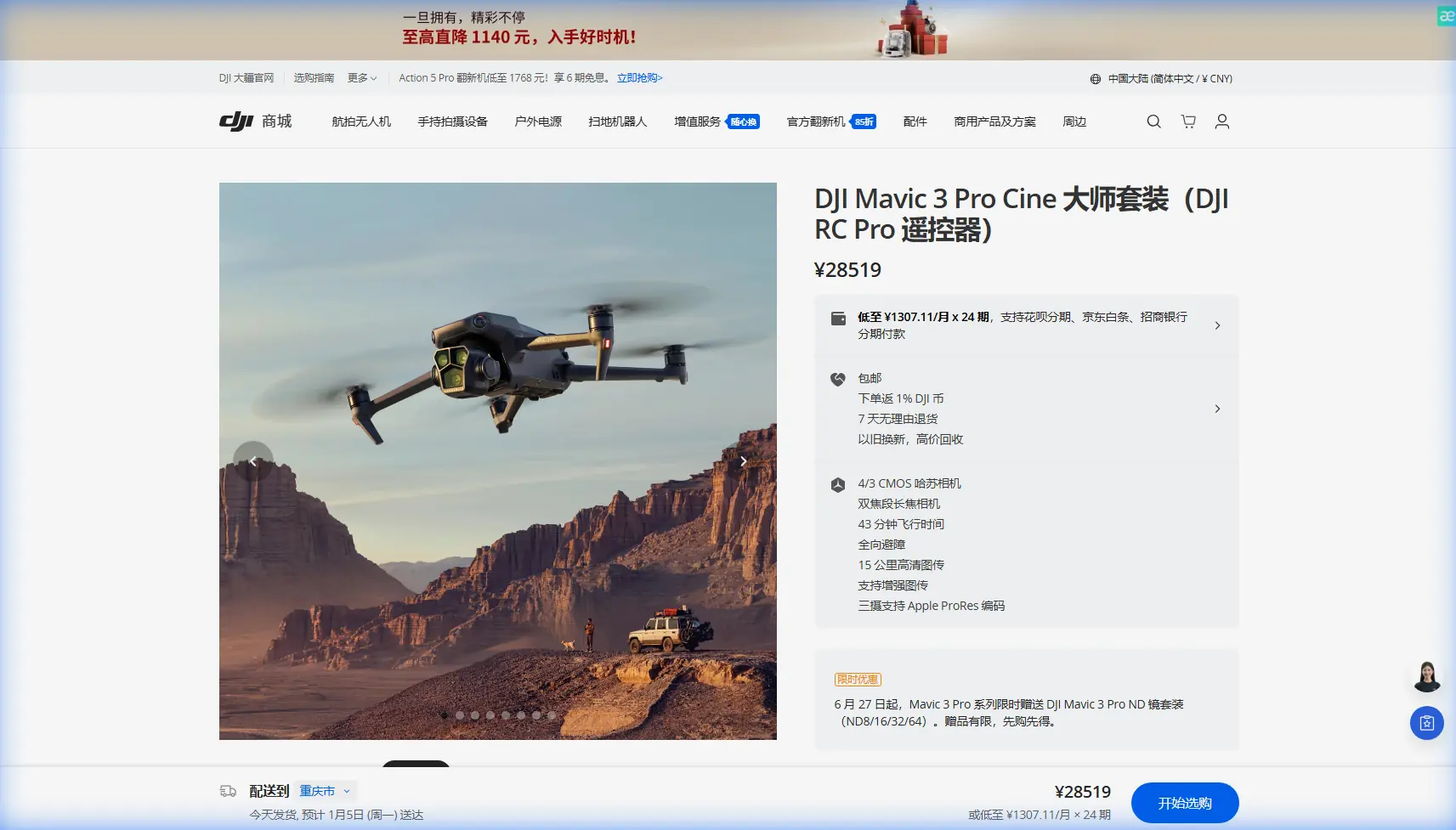
Mavic 3 Pro for Vineyard Aerials: Expert Field Guide
META: Master high-altitude vineyard photography with the Mavic 3 Pro. Expert tips on electromagnetic interference, camera settings, and capturing stunning winery aerials.
TL;DR
- Triple-camera system enables seamless transitions from wide vineyard panoramas to detailed grape cluster close-ups without landing
- High-altitude operations above 3,000 feet require specific antenna positioning to combat electromagnetic interference from mineral-rich terrain
- D-Log color profile preserves maximum dynamic range for post-processing golden hour vineyard footage
- ActiveTrack 5.0 maintains lock on moving harvest vehicles despite complex row patterns
The Challenge of High-Altitude Vineyard Photography
Vineyard photography at elevation presents unique obstacles that ground-level photographers never encounter. The Mavic 3 Pro's 46-minute maximum flight time becomes your greatest asset when covering sprawling mountain wineries where repositioning takes precious minutes.
I recently spent three weeks documenting vineyards across Napa Valley's elevated appellations, where terrain sits between 1,400 and 2,600 feet above sea level. The mineral deposits in volcanic soil create electromagnetic interference that disrupts lesser drones mid-flight.
This guide shares field-tested techniques for capturing professional vineyard aerials while managing the technical challenges that high-altitude wine country presents.
Understanding Electromagnetic Interference in Wine Country
Volcanic soil contains iron oxide, magnetite, and other minerals that generate localized magnetic anomalies. These deposits wreak havoc on drone compass systems and can cause erratic flight behavior or complete signal loss.
Recognizing Interference Symptoms
Watch for these warning signs during pre-flight checks:
- Compass calibration failures requiring multiple attempts
- Inconsistent GPS satellite lock despite clear skies
- Sudden heading drift during hover
- Controller signal strength fluctuations without obstacles present
- Unexpected RTH (Return to Home) triggers
Antenna Adjustment Protocol
The Mavic 3 Pro controller features adjustable antennas that most pilots leave in default position. For high-interference environments, proper antenna orientation makes the difference between a successful shoot and a lost aircraft.
Position both antennas perpendicular to the drone's location, not pointed directly at it. The flat face of each antenna should aim toward your aircraft. This orientation maximizes signal reception across the antenna's radiation pattern.
Expert Insight: Before each vineyard shoot, I perform a "signal walk" — flying the drone to my planned shooting positions while monitoring signal strength on the controller. Any location showing below three bars gets flagged for modified flight paths or alternative angles.
When interference persists, reduce your operating distance to 60-70% of maximum range. The Mavic 3 Pro's 15km maximum transmission distance provides substantial buffer, but mountain terrain and mineral interference can cut effective range dramatically.
Triple-Camera System for Vineyard Storytelling
The Mavic 3 Pro's three-camera array transforms vineyard documentation from simple aerial photography into comprehensive visual storytelling.
Camera Specifications and Applications
| Camera | Sensor | Focal Length | Vineyard Application |
|---|---|---|---|
| Hasselblad Main | 4/3 CMOS, 20MP | 24mm equivalent | Wide estate panoramas, row patterns |
| Medium Tele | 1/1.3" CMOS, 48MP | 70mm equivalent | Winery buildings, worker portraits |
| Tele | 1/2" CMOS, 12MP | 166mm equivalent | Grape clusters, detail shots |
The 70mm medium telephoto lens proves most valuable for vineyard work. This focal length captures individual vine rows with natural compression, creating depth that wide-angle shots flatten.
Switching Between Cameras Mid-Flight
Seamless camera transitions require planning. Each camera switch introduces a brief processing delay, and exposure settings don't carry between sensors.
Lock your exposure before switching cameras. The Hasselblad main camera's larger sensor handles 12.8 stops of dynamic range, while the telephoto cameras manage approximately 10 stops. Scenes properly exposed on the main camera may clip highlights on telephoto sensors.
Pro Tip: Create a custom camera switching sequence in your shot list. I transition from wide (24mm) to medium (70mm) to tight (166mm) for each vineyard section, maintaining consistent sun angle across the focal length progression.
Mastering D-Log for Wine Country Colors
Vineyard footage demands exceptional color handling. The interplay between green canopy, purple grapes, golden grass, and blue sky creates complex color relationships that standard color profiles crush.
D-Log preserves maximum dynamic range by recording a flat, desaturated image designed for color grading. This approach captures detail in bright sky and shadowed vine rows simultaneously.
D-Log Settings for Vineyard Aerials
Configure these settings before launching:
- Color Mode: D-Log
- ISO: 100-400 (native range for cleanest files)
- Shutter Speed: Double your frame rate (1/60 for 30fps, 1/120 for 60fps)
- White Balance: Manual, 5600K for daylight consistency
- Sharpness: -1 (prevents edge artifacts in foliage)
The Mavic 3 Pro records 5.1K at 50fps on the main camera, providing substantial resolution for 4K delivery with room for stabilization and reframing.
ActiveTrack 5.0 Through Complex Vine Rows
Tracking harvest vehicles through vineyard rows tests any subject tracking system. The Mavic 3 Pro's ActiveTrack 5.0 uses the aircraft's obstacle avoidance sensors to predict subject movement and maintain lock through visual occlusions.
Configuring ActiveTrack for Harvest Operations
Standard ActiveTrack settings fail in vineyards. The uniform row patterns confuse the algorithm, causing it to lock onto vine posts instead of moving vehicles.
Adjust these parameters:
- Tracking Sensitivity: High (responds faster to direction changes)
- Obstacle Avoidance: APAS 5.0 enabled with "Bypass" mode
- Subject Size: Large (prevents lock-on to smaller objects)
- Tracking Speed: Match to vehicle speed, typically 8-12 mph for harvest tractors
The obstacle avoidance system processes data from omnidirectional sensors covering all six directions. In vineyard environments, the forward and lateral sensors work hardest, detecting vine posts and trellis wires that could intercept the aircraft.
QuickShots and Hyperlapse for Efficient Coverage
Time constraints during harvest season demand efficient shooting techniques. QuickShots automate complex camera movements, while Hyperlapse compresses hours of vineyard activity into compelling sequences.
Recommended QuickShots for Vineyards
Dronie: Pulls back and up from a central point, revealing row patterns. Start positioned 15 feet above the canopy for optimal reveal.
Circle: Orbits a fixed point, ideal for showcasing winery buildings or distinctive landscape features. Set radius to 100-150 feet for smooth motion.
Helix: Combines orbit with altitude gain, creating dramatic reveals of entire estates. Requires 200+ feet of vertical clearance.
Hyperlapse Configuration
Vineyard Hyperlapse captures the progression of light across rows during golden hour. Configure for 2-second intervals over 30-45 minutes to produce smooth motion.
The Mavic 3 Pro processes Hyperlapse footage onboard, delivering stabilized video without post-processing. For maximum quality, select Free mode and manually control the flight path rather than relying on automated patterns.
Common Mistakes to Avoid
Flying during midday sun: Harsh overhead light eliminates shadows that define row textures. Schedule flights for the first and last 90 minutes of daylight.
Ignoring wind patterns: Valley vineyards experience predictable thermal winds. Morning flights face calm conditions; afternoon shoots battle 15-25 mph gusts that drain batteries and compromise stability.
Overlooking airspace restrictions: Many premium wine regions sit near small airports. Verify airspace classification and obtain LAANC authorization before every shoot.
Neglecting ND filters: The Mavic 3 Pro's minimum ISO of 100 still overexposes in bright conditions when maintaining proper shutter speed. Pack ND8, ND16, and ND32 filters for full-day coverage.
Rushing battery swaps: High-altitude operations stress batteries. Allow 5 minutes between flights for batteries to cool, extending their lifespan and maintaining consistent performance.
Frequently Asked Questions
How does altitude affect Mavic 3 Pro flight performance?
The Mavic 3 Pro operates effectively up to 6,000 meters above sea level, but reduced air density at elevation decreases propeller efficiency. Expect 10-15% reduction in flight time and slightly sluggish handling above 5,000 feet. The aircraft compensates automatically, but aggressive maneuvers may trigger motor strain warnings.
What's the best time of year for vineyard aerial photography?
Late summer through early fall offers the most dramatic visuals. Veraison — when grapes change color — creates striking purple-and-green contrasts visible from altitude. Harvest season adds human activity and equipment that brings static landscapes to life. Avoid winter dormancy unless documenting bare-vine architecture.
Can the Mavic 3 Pro handle morning fog common in wine valleys?
The aircraft itself tolerates light moisture, but fog creates multiple problems. Obstacle avoidance sensors struggle with diffused visibility, GPS accuracy decreases, and lens condensation ruins footage. Wait until fog lifts to 200 feet above your planned flight altitude before launching. The Mavic 3 Pro lacks moisture sealing, so avoid flying through fog banks.
Bringing Your Vineyard Vision to Life
High-altitude vineyard photography rewards preparation and patience. The Mavic 3 Pro provides the technical foundation — exceptional image quality, reliable tracking, and robust interference resistance — but compelling footage emerges from understanding how light, terrain, and timing intersect.
Master the antenna positioning techniques outlined here, and electromagnetic interference becomes manageable rather than mission-ending. Embrace D-Log for its color flexibility, and your post-production options expand dramatically.
The vineyards await documentation. Each row tells a story of terroir, tradition, and craft that aerial perspectives reveal in ways ground-level photography cannot match.
Ready for your own Mavic 3 Pro? Contact our team for expert consultation.