
Mavic 3 Pro Guide: Capturing Stunning Coastal Venues
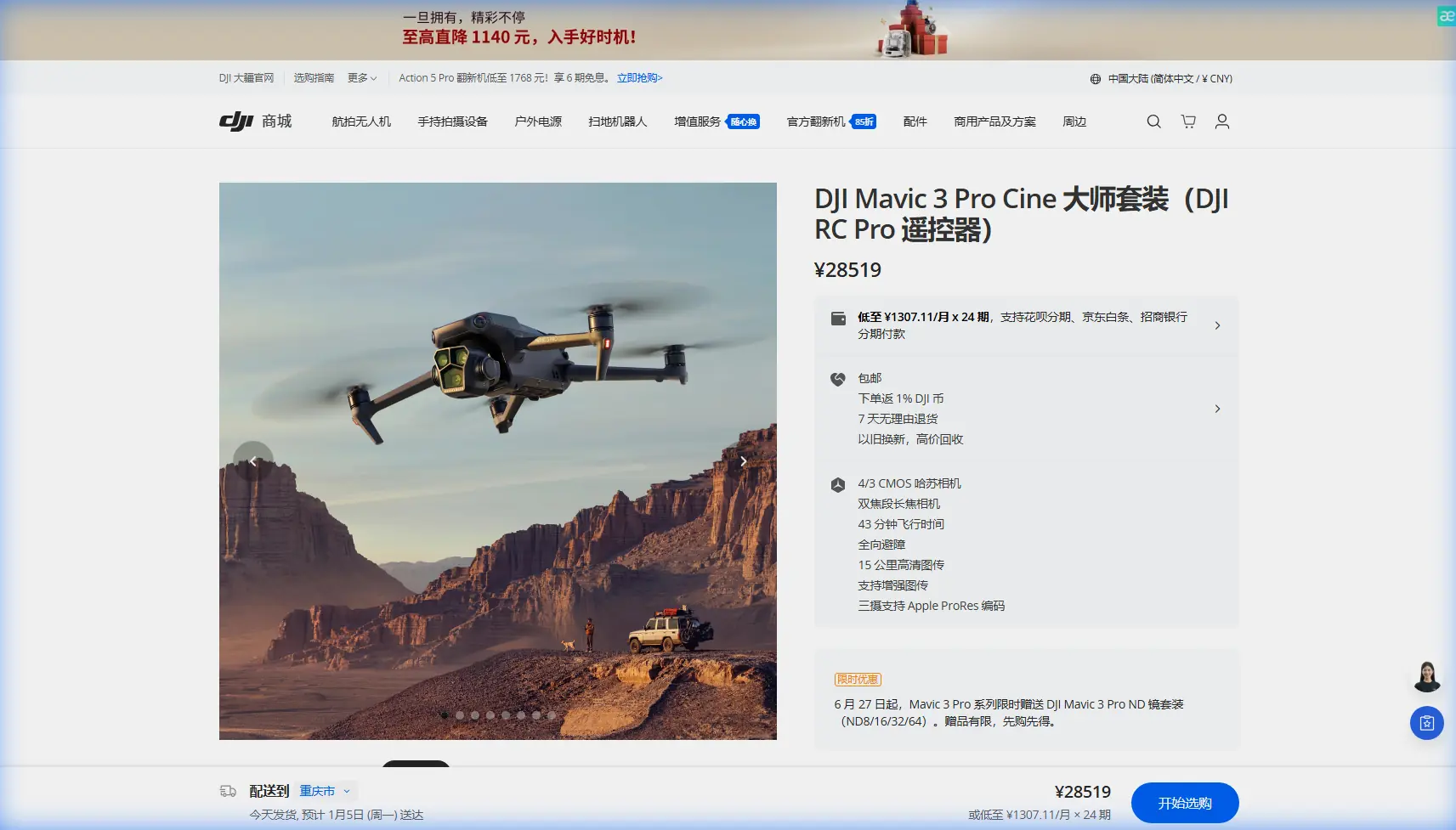
Mavic 3 Pro Guide: Capturing Stunning Coastal Venues
META: Master coastal venue photography with the Mavic 3 Pro. Learn expert techniques for obstacle avoidance, D-Log settings, and battery management for breathtaking results.
TL;DR
- Triple-camera system captures coastal venues with unprecedented detail from wide establishing shots to telephoto compression
- Omnidirectional obstacle avoidance proves essential when navigating unpredictable coastal wind patterns and terrain
- D-Log color profile preserves highlight detail in challenging high-contrast beach environments
- Battery management in salt air requires specific protocols to maintain flight performance and equipment longevity
Coastal venue photography presents unique challenges that separate amateur drone footage from professional-grade content. The Mavic 3 Pro's triple-camera Hasselblad system combined with intelligent flight modes transforms how creators approach beachfront properties, seaside wedding venues, and oceanfront resorts.
This tutorial breaks down my field-tested workflow for capturing coastal venues—from pre-flight battery preparation to post-processing D-Log footage.
Why the Mavic 3 Pro Excels in Coastal Environments
Coastal locations demand equipment that handles rapidly changing conditions. Salt spray, sudden wind gusts, and extreme dynamic range between bright sand and shadowed structures challenge even experienced pilots.
The Mavic 3 Pro addresses these challenges through several key features:
- 43-minute maximum flight time provides buffer for repositioning during wind shifts
- Tri-camera array (24mm, 70mm, 166mm equivalent) eliminates lens changes
- APAS 5.0 obstacle avoidance detects hazards in all directions
- 12.8 stops of dynamic range captures detail in highlights and shadows simultaneously
Expert Insight: During a recent resort shoot in Northern California, I encountered 15 mph sustained winds with gusts reaching 22 mph. The Mavic 3 Pro maintained stable hover for architectural detail shots that would have been impossible with lighter platforms. The key was positioning the drone to face into the wind during static shots, reducing gimbal compensation workload.
Pre-Flight Protocol for Coastal Shoots
Battery Management in Salt Air
Here's a field lesson that saved an entire shoot: salt air accelerates battery contact corrosion faster than you'd expect.
Before every coastal session, I wipe battery contacts with 99% isopropyl alcohol and a microfiber cloth. This simple step prevented a mid-flight power fluctuation during a critical sunset window at a Malibu venue.
Additional battery protocols for coastal work:
- Store batteries in sealed containers with silica gel packets between flights
- Warm batteries to minimum 20°C before flight in cool coastal mornings
- Keep three fully charged batteries minimum for venue coverage
- Monitor voltage differential between cells—coastal humidity affects balance
Sensor Calibration
Salt particles accumulate on obstacle avoidance sensors faster than inland environments. Before each flight:
- Clean all eight vision sensors with lens-safe wipes
- Verify infrared sensors show no obstruction warnings
- Recalibrate IMU if the drone has traveled in a vehicle along coastal roads
Camera Settings for Coastal Venue Photography
D-Log Configuration
The D-Log color profile captures 12.8 stops of dynamic range, essential when shooting white sand against dark cliff faces or bright sky against shadowed building interiors.
My standard coastal D-Log settings:
- ISO 100-200 (native range for cleanest files)
- Shutter speed double your frame rate (1/50 for 24fps, 1/60 for 30fps)
- ND filters ND16-ND64 depending on conditions
- White balance manual at 5600K for consistency
Pro Tip: When shooting venues with both interior and exterior elements visible, expose for highlights and recover shadows in post. The Mavic 3 Pro's 4/3 CMOS sensor retains remarkable shadow detail—I've pulled 4+ stops of shadow recovery without significant noise in properly exposed D-Log footage.
Leveraging the Triple Camera System
Each focal length serves specific purposes in venue documentation:
24mm Hasselblad Main Camera
- Establishing shots showing property in environmental context
- Interior courtyard coverage
- Dynamic movement shots using ActiveTrack
70mm Medium Telephoto
- Architectural detail compression
- Subject tracking for testimonial b-roll
- Isolating specific venue features
166mm Telephoto
- Texture details (roof materials, landscaping elements)
- Compressed perspective of venue against ocean backdrop
- Wildlife documentation without disturbance
Technical Comparison: Mavic 3 Pro vs. Alternatives for Coastal Work
| Feature | Mavic 3 Pro | Mavic 3 Classic | Air 3 |
|---|---|---|---|
| Sensor Size | 4/3" CMOS | 4/3" CMOS | 1/1.3" CMOS |
| Camera Count | 3 | 1 | 2 |
| Max Flight Time | 43 min | 46 min | 46 min |
| Obstacle Sensing | Omnidirectional | Omnidirectional | Omnidirectional |
| Dynamic Range | 12.8 stops | 12.8 stops | 13.5 stops |
| Video Resolution | 5.1K/50fps | 5.1K/50fps | 4K/60fps |
| Wind Resistance | 12 m/s | 12 m/s | 12 m/s |
| Weight | 958g | 895g | 720g |
The Mavic 3 Pro's advantage for coastal venue work centers on the triple-camera flexibility. Switching between focal lengths without landing saves critical time during golden hour windows.
Intelligent Flight Modes for Venue Coverage
ActiveTrack 5.0 for Dynamic Reveals
ActiveTrack transforms venue reveal shots. For coastal properties, I use this technique:
- Position drone at low altitude behind natural foreground element
- Lock ActiveTrack on venue's primary structure
- Pilot drone laterally while system maintains framing
- Gradually increase altitude for dramatic reveal
The subject tracking algorithm handles partial occlusions from palm trees, dunes, or architectural elements without losing lock.
QuickShots for Efficient B-Roll
When time constraints limit creative exploration, QuickShots deliver professional results:
- Dronie: Pulls back and up from venue entrance
- Helix: Spirals around central courtyard or pool area
- Rocket: Vertical ascent revealing property scale
- Boomerang: Semicircular path around key features
Each QuickShot captures 15-30 seconds of usable footage with minimal pilot input.
Hyperlapse for Atmospheric Sequences
Coastal venues benefit from Hyperlapse sequences showing:
- Cloud movement over property
- Tide changes against shoreline
- Shadow progression across facades
- Sunset color transitions
Set Hyperlapse to capture 2-second intervals over 10-15 minute durations for smooth final sequences.
Common Mistakes to Avoid
Flying Without Wind Assessment Coastal winds shift rapidly. Check conditions at ground level and intended flight altitude before launch. The DJI Fly app displays real-time wind speed—abort if readings exceed 10 m/s for professional work requiring stable footage.
Ignoring Magnetic Interference Coastal areas often contain underground utilities, reinforced concrete structures, and metallic dock components. Always perform compass calibration away from these elements and monitor compass status throughout flight.
Underestimating Salt Exposure Even without visible spray, salt particles accumulate on equipment. Post-flight, wipe down the entire aircraft with a slightly damp cloth followed by dry microfiber. Pay attention to gimbal mechanisms and motor vents.
Shooting Only Wide Angles New pilots default to dramatic wide shots. Professional venue coverage requires variety in focal length and movement. Allocate specific flight time for telephoto detail work.
Neglecting Audio Environment Documentation While capturing video, note ambient sound conditions. Crashing waves, seabirds, and wind create audio challenges for any planned voiceover or interview footage shot simultaneously.
Frequently Asked Questions
What ND filter strength works best for coastal venue shoots?
Start with ND16 for overcast conditions and ND32-ND64 for direct sunlight on sand or water. The goal is achieving proper shutter speed for your frame rate while maintaining ISO 100-200. Polarizing ND filters reduce glare from water surfaces but require manual rotation adjustment between shots.
How close can I safely fly to water with the Mavic 3 Pro?
Maintain minimum 3-meter altitude over water to prevent spray contact and ensure obstacle avoidance sensors function properly. Water surfaces can confuse downward vision sensors—switch to GPS-only positioning when operating over open water and avoid hovering stationary over waves.
Should I use ActiveTrack or manual piloting for venue reveal shots?
Combine both approaches. Use ActiveTrack for subject framing while manually controlling altitude and lateral movement. This hybrid technique produces smoother reveals than full manual control while maintaining creative flexibility that pure autonomous modes lack.
Coastal venue photography with the Mavic 3 Pro rewards preparation and technique refinement. The platform's triple-camera system, robust obstacle avoidance, and extended flight time create opportunities for footage that distinguishes professional portfolios.
Master these workflows, respect the coastal environment's unique challenges, and your venue content will capture both the property and its spectacular setting.
Ready for your own Mavic 3 Pro? Contact our team for expert consultation.